
Rubio and Vance
Plus the Importance of Social Capital

The Statesman and the Understudy
There is a political tragedy worse than a fool reaching the largest stage of his life.
It is a gifted man reaching it—and choosing the wrong audience.
This week gave us two speeches, two microphones, and two possible futures for the Republican Party.
One man stood at a podium in the Loy Henderson conference room at the State Department, before delegations from sixty-six nations, and named the great civilizational threat of the age in language that would not have embarrassed Ronald Reagan.
The other sat on a couch across from Joe Rogan for three hours and sounded like a wounded Groyper workshopping excuses in the comments section.
Marco Rubio looked at the enemies of the republic and named them.
JD Vance looked at the failure of his own policy and named Israel.
Let us take them in turn.
Rubio at the Podium
Marco Rubio has quietly become the finest Secretary of State of my lifetime.
Not the flashiest. Not the most theatrical. The finest.
On July 16, he convened a ministerial on what the State Department called the resurgence of political terrorism and did the one thing our institutions have refused to do for a generation: he described the violence in front of him without first checking whether the perpetrators occupied a protected place on the ideological color wheel.
For twenty-five years, “counterterrorism” in the West meant one thing: the fight against radical Islamist extremism. There was a reason for that. Nineteen men murdered nearly three thousand people on a September morning. Madrid. London. Paris. Brussels. Nice. The architecture of Western security was rebuilt around those wounds, and rightly so.
But Rubio named the blind spot that grew beside it.
The bomb planted by a neo-Nazi is treated as evil, because it is. The bomb planted by a Marxist is treated as an unfortunate excess of idealism. Same crater. Same blood. Different eulogy.
That is not merely a double standard. It is a theology. Rubio walked up to its altar and turned on the lights.
He walked the room through the history the schools stopped teaching. The Weather Underground bombing the Pentagon and the Capitol. The Red Brigades kidnapping and executing Aldo Moro. The Shining Path hacking apart peasant villages with axes and machetes. The Tupamaros, the Montoneros, the FARC, the ELN. He reminded the room that for much of the modern era, far-left terror was not some hypothetical bogeyman of the American right. It was the dominant form of political terrorism in the West.
Then he brought the argument home.
Germany’s surge in far-left violence. Greece, where anarchist and far-left actors now account for the large majority of radical violence. Armed assaults on immigration officers. Infrastructure sabotage. A healthcare executive executed in the street and instantly transformed into a folk villain’s trophy. Multiple attempts on the life of a sitting president. The murder of the most consequential conservative activist of his generation, shot in front of students while his wife and two young children waited for him to come home.
This was not a stump speech. It was a closing argument.
And the verdict was the oldest one there is: the revolt of the people who cannot build against the people who can.
They cannot raise a cathedral, so they burn one. They cannot build a company, so they call profit theft. They cannot persuade a country, so they smash the windows of the people who did. They cannot create beauty, order, prosperity, family, faith, or civilization, so they relabel the inability as moral superiority and take revenge on those who can.
Rubio called it a hatred of civilization itself. Exactly right.
That is what statesmanship sounds like. It sounds like a man who has read history, understood the hour, and decided not to lie about either.
Vance on the Couch
Now to the couch.
JD Vance is not a stupid man. That is what makes this so maddening.
Watch him on hostile television and you see a genuinely formidable political talent: quick, funny, disarming, able to translate an argument into normal English without looking as though a consultant is operating his jaw by remote control. He has biography, intellect, timing, and a rare ability to make the case for ordinary Americans without sounding as though he recently discovered one in a focus group.
The talent is real.
Which is why his three hours with Rogan were not a gaffe. They were a choice.
Vance owned the Iran gambit. He became the administration’s principal public advocate for the memorandum of understanding that was supposed to walk Tehran away from war and toward an enforceable peace. He staked his credibility on the proposition that a regime that has spent nearly half a century chanting “Death to America” could be brought into durable good faith through negotiation.
The regime behaved as the regime has always behaved. The arrangement failed to produce the promised end state. The war resumed its ugly logic. Iran continued doing what Iran does.
A serious man may make a bad bet. Statesmanship does not require omniscience. It requires ownership.
And this is where the talent curdled.
Vance went on the most-listened-to program in America and said there had been a “very discreet, extremely well-funded campaign” to derail his diplomacy. He cited discredited reporting in Time Magazine of all places about an Israeli-funded influence operation. He said he knew beyond a shadow of a doubt that people inside the Israeli government had tried to move American policy away from his deal.
Read the transcript charitably, as I did. The hedges are there. He called Israel an ally. He observed, correctly, that governments try to influence one another. He presented himself as the reasonable moderate standing between the zealots.
But the melody beneath the hedges was unmistakable, and every Groyper in America heard the dogwhistle on the first note.
The Vice President of the United States watched his policy collapse against the oldest and most predictable fact in the Middle East—the Iranian regime lies—and chose to explain the wreckage by gesturing toward a shadowy, well-financed Israeli influence campaign.
When your plan to trust the worst people on earth fails because the worst people on earth behaved like the worst people on earth, the answer is not a magazine article about the Jews. The answer is a mirror.

Vance was free to argue that the Israeli government opposed the deal. Of course it did. The agreement implicated Israel’s survival, and allies are allowed to have interests. He was free to argue that America must make American policy. Obviously. He was even free to argue that Israel’s campaign was clumsy, counterproductive, or out of bounds.
What he was not free to do—at least not without disqualifying himself from the office he plainly wants next—was turn his own failed judgment into another chapter of the oldest scapegoat story in political life.
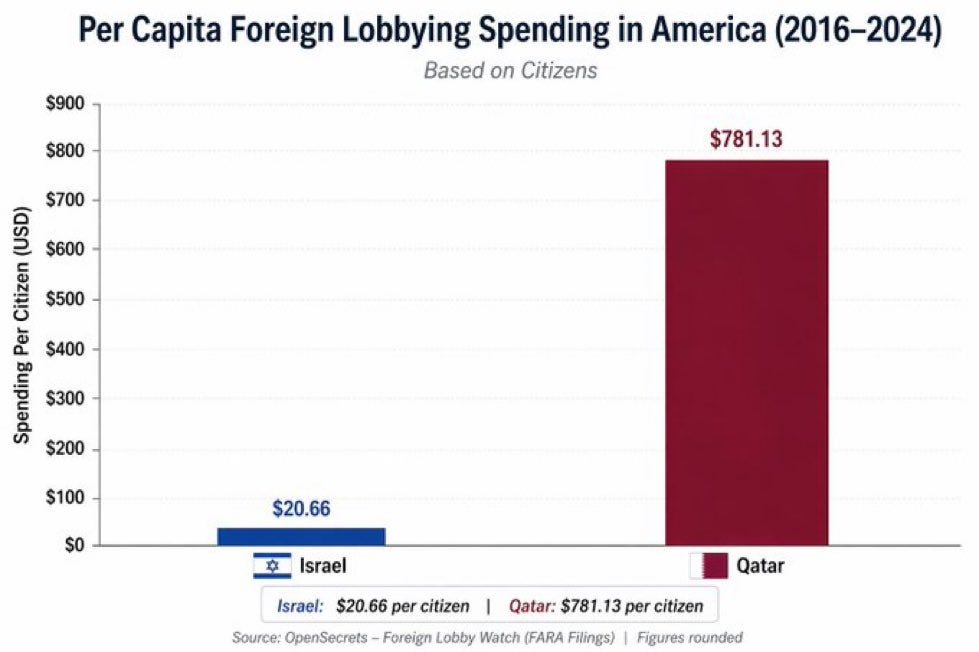
Rubio looked at evil and named the ideology.
Vance looked at failure and named the lobby.
That is the difference between a statesman and an understudy who has learned the lines but not yet understood the play.
The Horseshoe
So what is he doing?
Two possibilities, and neither flatters him.
The first is that Vance has simply spent too long marinating in the wrong company: the Tucker-Megyn-Candace ecosystem of theatrical grievance, low-rent conspiracy, and Israel fixation. President Trump himself recently dismissed that quartet in language characteristically lacking in diplomatic ambiguity. Yet Vance continues wandering toward precisely the audience his own boss regards as unserious, disloyal, and electorally useless.

Spend enough time around people who explain every disappointment through Israel, the Mossad, AIPAC, “the donors,” or some invisible Hebraic hand beneath the table, and eventually you begin to borrow their nouns. Then their priors. Then their enemies.
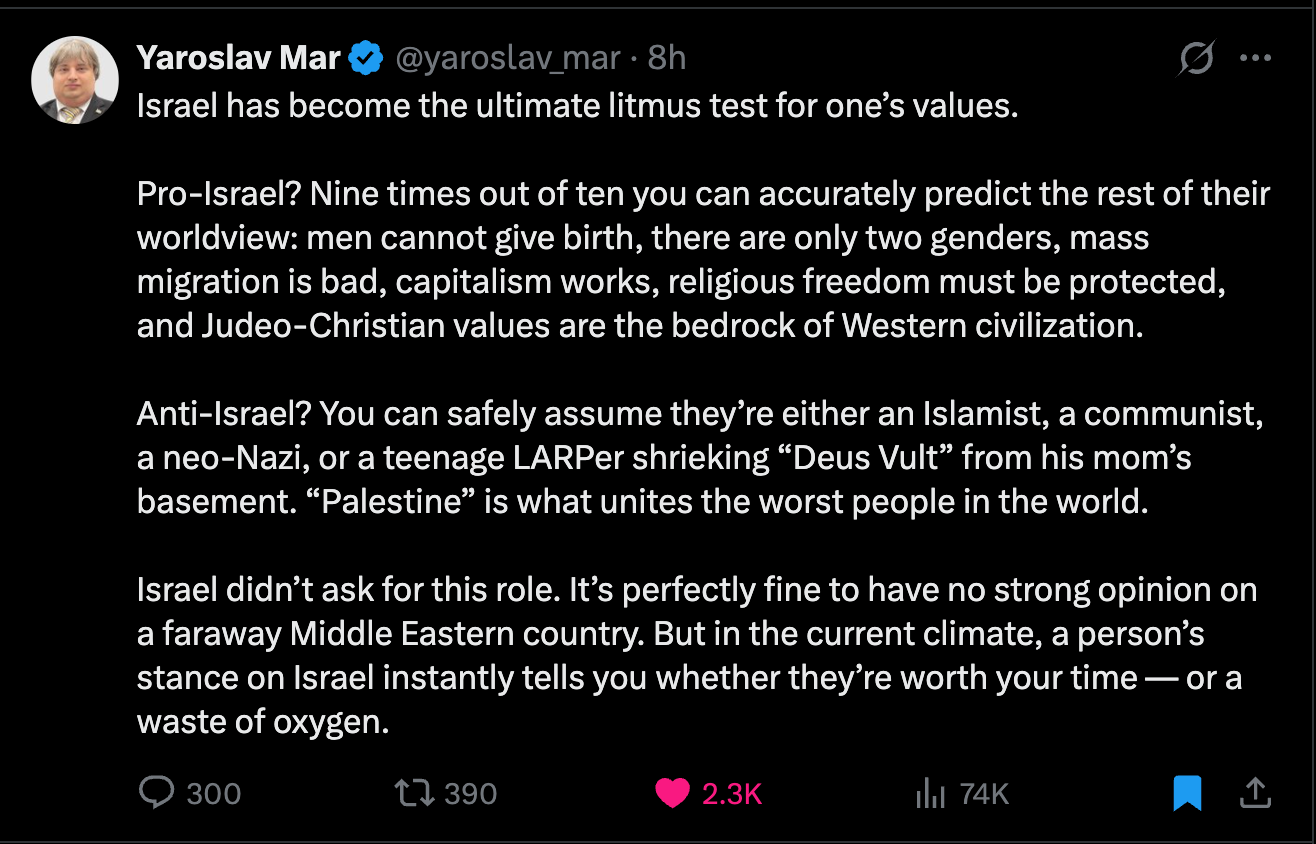
The second possibility is colder and more interesting.
Perhaps Vance is running a deliberate horseshoe strategy. Perhaps he has looked at 2028 and decided to become the hinge connecting the two curled ends of the spectrum: Groypers on one side, the Mamdani left on the other; Tucker and Tehran meeting Bernie and Doha in the same dimly lit basement, united by their contempt for Israel, suspicion of the West, and appetite for explaining personal failure as someone else’s plot.
Clever theory.
Fatal arithmetic.
The horseshoe is loud because it lives online. It is not large. It is a tiny, mutually repellent coalition of resentful young men, socialist activists, podcast addicts, “America First” isolationists who somehow always arrive at America last, and professional grievance merchants whose business model depends on never allowing a problem to be solved.
Vance is angling to become King of the Losers.
The losers do not add up to a governing majority.
Worse, the performance communicates weakness. A future president must make enemies fear his judgment and allies trust his steadiness. He cannot look as though three hours with Rogan, a Time article, and a week of hostile posts were enough to turn him from the vice president into the aggrieved moderator of a Telegram channel.
When Iranian state media finds your argument useful, pause.
When the people who celebrated October 7 applaud your foreign policy, pause.
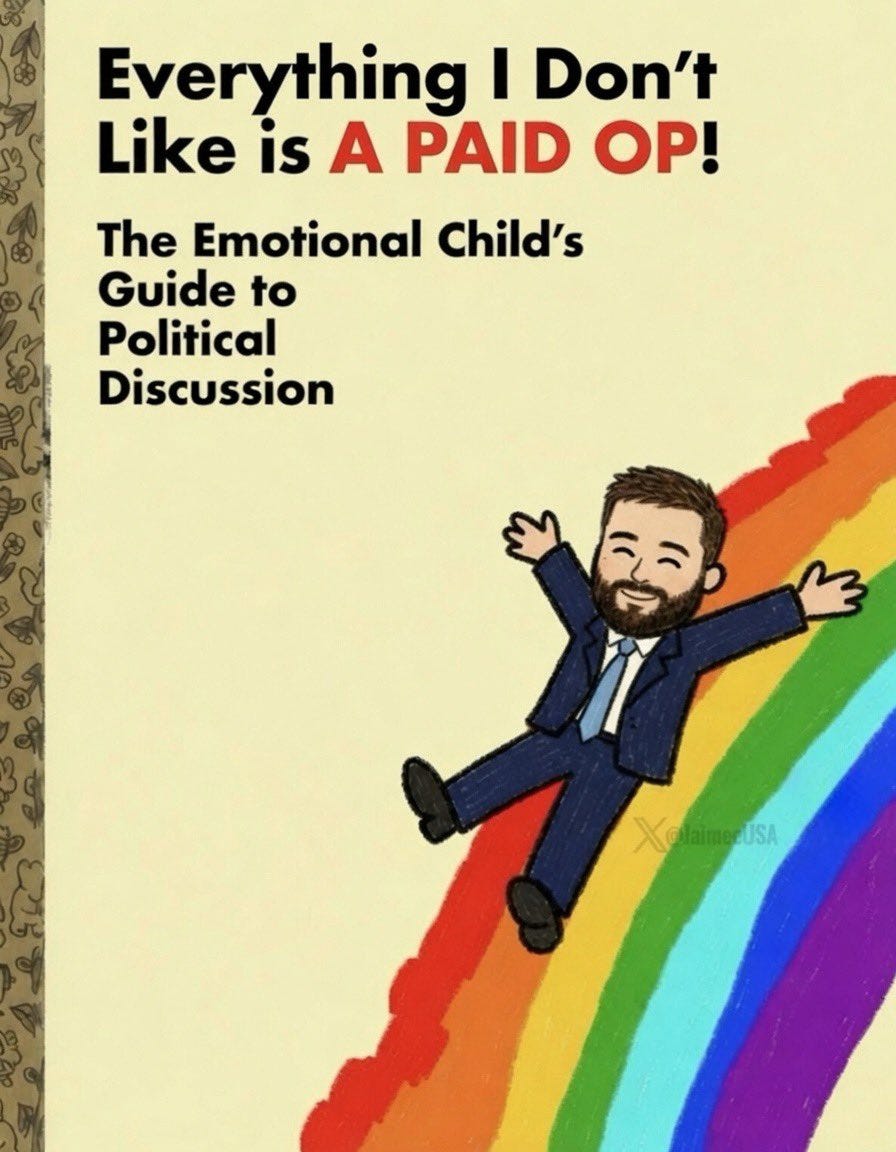
When the same schizophrenic grifters influencers who blamed Israel for Charlie Kirk’s murder begin describing you as the one brave man finally willing to tell the truth, slam the brakes through the floorboard.
The audience offering you its crown is telling you what kingdom you are entering.
What Trump Should Do
Here is the halftime speech, because somebody has to give it.
The talent is worth saving.
Vance is young enough to learn, smart enough to recover, and gifted enough to become a great president. On domestic ground, he can be lethal in the best sense. Put him on fraud, waste, the administrative state, the credentialed rackets, the collapse of family formation, the addiction of corporate America to imported labor and cheap moral vanity. Give him the fights where his pugilism is an asset and his foreign-policy naivete cannot get anyone killed.
But President Trump should check him now, publicly if necessary, before the posture hardens into an identity.
A vice president who reflexively blames America’s most reliable ally for the failure of his own Iranian gambit is not ready to run the free world.
He is ready to run a podcast.
The contrast is too sharp to miss. On one side, a Secretary of State gathering sixty-six nations to name the enemies of civilization by their proper names. On the other, a Vice President gathering millions of listeners to explain that his troubles were manufactured by somebody else.
One stood before the world like a president.
The other sat before a podcaster like a man auditioning for the comments section.
The Threat Rubio Saw
Do not miss the larger point buried in Rubio’s speech, because it is the whole game.
The Red-Green alliance is real. It is no longer a theory assembled from campus footage and protest signs. Its program is now printed in plain English by the people advancing it.
The Democratic Socialists of America published its 2026 program after a formal drafting process authorized by its national convention. Read what it actually says.
Abolish ICE. End immigration detention and deportations. Legalize migration and grant amnesty regardless of status. Extend full voting rights to permanent residents. Abolish the Electoral College. Abolish the Senate. Replace the President and the Supreme Court with an executive and judiciary chosen by—and subordinate to—Congress. Expand the House. Place the largest corporations and essential industries under public ownership. Impose aggressive wealth taxes to fund the new order.
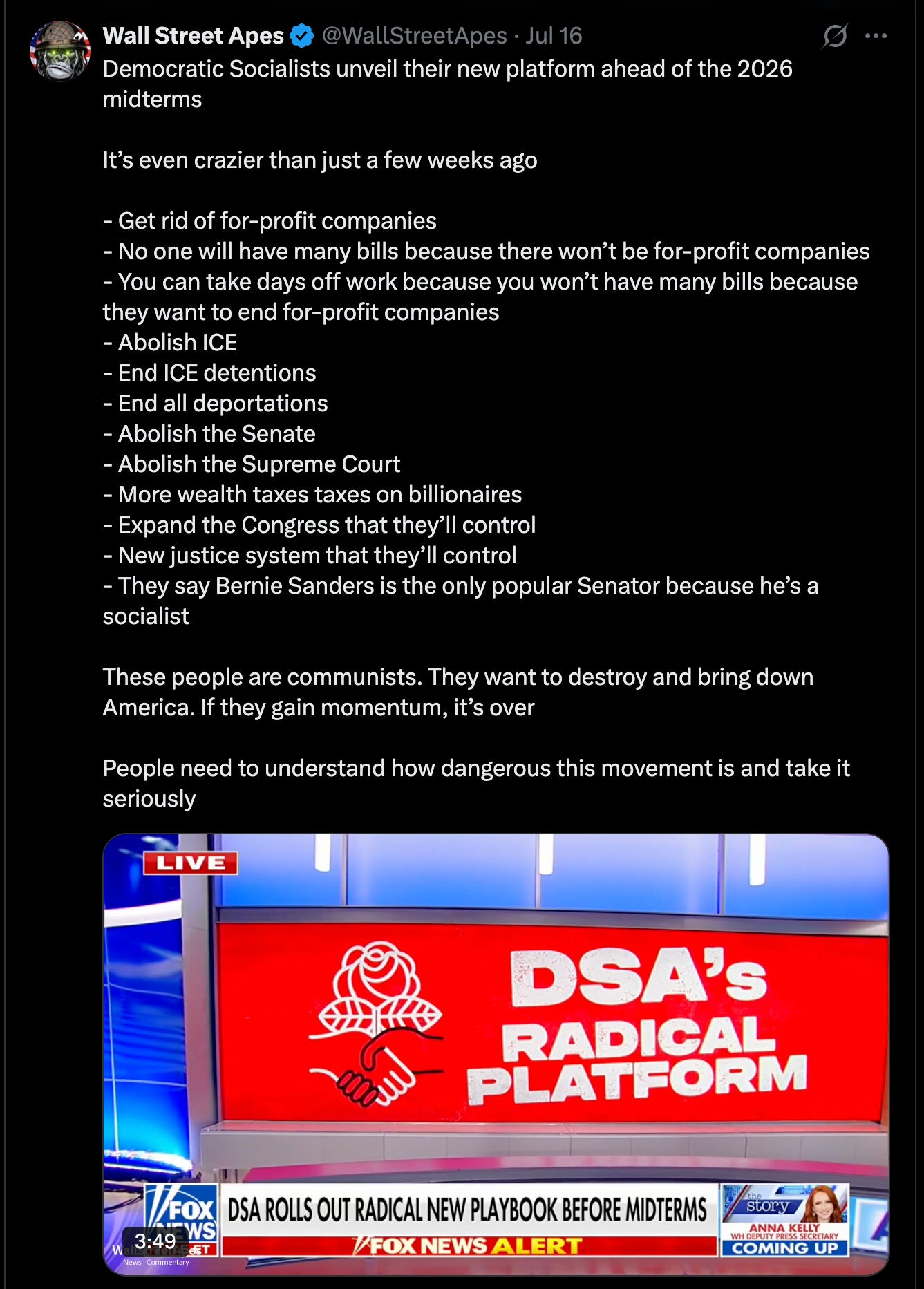
The viral bullet list was not a parody. If anything, it was too gentle.
This is not a debating society asking for a slightly higher marginal tax rate. It is a movement openly proposing to dismantle the constitutional architecture, erase the political distinction between citizen and noncitizen, nationalize the commanding heights of the economy, and place every branch of government beneath a legislature it intends to capture.
The Mamdanis are not hiding the ball. The ball is on the podium, printed in twelve-point type, with the abolition of the Senate written on it.
These are not a loyal opposition with a few bad ideas.
They are political enemy combatants in a constitutional war.
That is not a call for tanks, tribunals, or fantasies of domestic violence. It is a demand for moral and political clarity. A movement dedicated to abolishing the institutions of the republic should be treated with the seriousness it has earned: named plainly, exposed relentlessly, stripped of the euphemisms that protect it, prosecuted when it crosses into illegal activities, and beaten decisively at the ballot box, in the courts, in the schools, in the culture, in the churches, and in the arena of ideas until the movement is spent.
That is the war of our generation.
Rubio sees it. He spent an hour describing it to the world.
The tragedy of JD Vance is that he possesses nearly every gift required to fight that war brilliantly, and he spent the most important three hours of his year fighting the wrong one.
Grow up, Mr. Vice President.
The republic has real enemies.
They are not in Jerusalem.
Onward.
Full Marco Rubio Speech
Chain of Custody
Every trial lawyer learns the phrase early and never forgets it.
Chain of custody.
The unbroken, documented account of a piece of evidence from the moment it is collected to the moment it is shown to a jury. Who touched it. When. Where it was stored. Whether the seal was intact. Whether the object now sitting beneath the fluorescent lights of the courtroom is provably the same object that left the scene.
Break the chain and it does not matter how incriminating the evidence appears. The judge does not weigh it. He cannot. The foundation of evidence is not what the exhibit seems to say. It is whether the party offering it can prove the exhibit is what it claims to be.
Hold that principle in your mind, because it contains the entire election argument.
An election is not legitimate because a television network announces a number, a secretary of state certifies a spreadsheet, or a losing candidate is ordered to shut up and be patriotic.
It is legitimate because the process that produced the number can be shown—to the winner, the loser, the skeptic, the judge, and the hostile foreign power—to be sound.
The count is the claim.
The chain of custody is the proof.
Thursday night
The biggest news of the week was a president standing in the East Room and saying, in his own way, that the chain was broken.
In a primetime address, President Trump declassified a trove of documents concerning foreign penetration of voter data, vulnerabilities in election infrastructure, suspicious registrations, and the conduct of agencies charged with guarding the vote. He alleged that China had obtained enormous quantities of American voter information and that officials buried intelligence the public had a right to see. He ordered the Department of Justice to investigate and prosecute wrongdoing where the evidence supports it.
Let us be precise, because precision is the entire point of this essay.
What the president delivered was an indictment, not a conviction. The documents establish serious vulnerabilities and unanswered questions. They do not, standing alone, prove that enough unlawful ballots were counted or enough legitimate ballots altered to reverse the certified result of 2020.
That sentence will irritate people on both sides, which is usually a sign that it is doing useful work.
The left wants the entire subject declared closed, sealed, and punishable by social excommunication.
Part of the right wants every newly released memo treated as the final frame of the Zapruder film.
Neither posture is serious.
Evidence must be tested. Claims must be proved. Officials who lied, concealed, tampered, conspired, or failed their duties should be named and prosecuted in open court. But the desire for a reckoning is not a substitute for the record that makes the reckoning possible.
Which brings us back to the chain.
The night America stopped believing
There is a reason 2020 will not stay buried.
Americans went to bed on election night with Donald Trump leading in several battleground states. They woke to watch those leads dissolve as enormous volumes of mail ballots were tabulated through the dark hours and the days that followed.
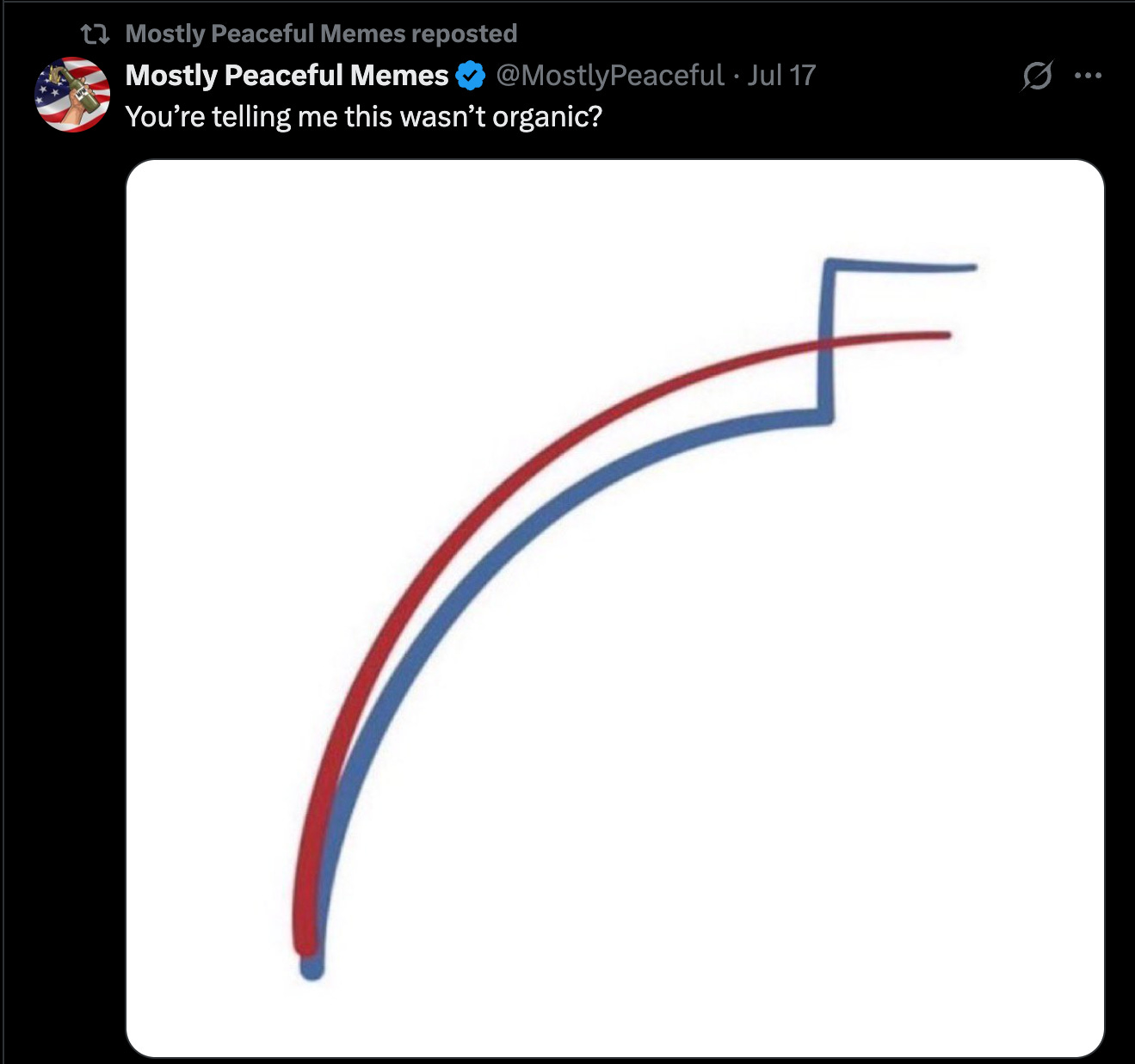
There are ordinary explanations for part of that pattern. Democrats voted by mail at far higher rates. Some states, by law or political choice, did not begin processing those ballots until Election Day. Urban counties reported later than rural ones. A late blue shift was predictable.
But politics is not governed only by what can be explained. It is governed by what can be trusted.
And the process looked terrible.
Counting operations slowed or paused in critical cities. Observer access became the subject of furious dispute. Windows were covered and camera angles became national exhibits. Emergency rules had expanded mail voting on a scale the country had never attempted. Ballot applications and ballots moved through a patchwork of drop boxes, postal systems, third-party collection practices, signature rules, curing procedures, and deadlines that varied from state to state and sometimes changed through litigation in the final weeks.
The public did not watch one Election Day.
It watched an election month.
Counting did not literally stop everywhere at the same second, as the internet shorthand now has it. But to tens of millions of Americans, the country appeared to go dark at precisely the point the result became inconvenient, then return with a different president emerging from sealed rooms and late-night spreadsheets.
That perception did not arise from nothing.
It arose from a system that behaved as though public confidence were a public-relations problem rather than the central product of the election itself.
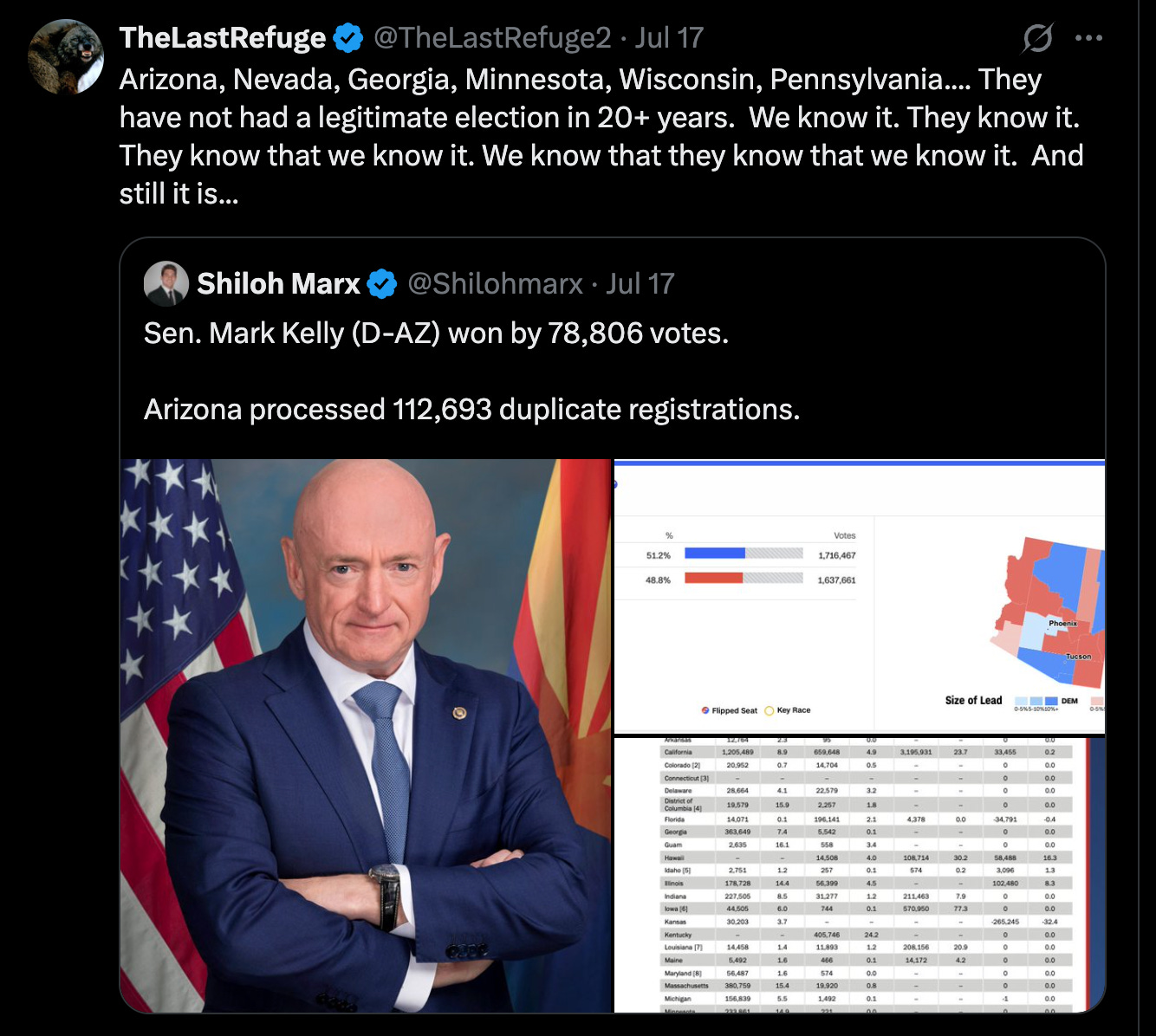
Then came the stale voter rolls. Registrations belonging to the dead, the moved, the duplicated, and the legally ineligible. Those registrations do not prove that each name produced an unlawful vote. They prove something nearly as corrosive: the state had not done the basic janitorial work required to make the claim testable.
Then came harvesting. In some jurisdictions it was illegal; in others it was normalized, professionalized, and euphemized as “ballot collection.” Either way, the secret ballot—the citizen alone with his choice—was placed into the hands of paid organizers, partisan networks, nursing-home operatives, campaign workers, and strangers moving stacks of envelopes through an evidentiary system that would embarrass a small-town police department.
Then came the flood of mail voting. Not absentee voting in the old sense—a named voter requesting a ballot for a particular reason, returning it through a traceable process—but mass mail election administration conducted against rolls everyone admitted were imperfect, under emergency rules assembled while the plane was already in the air.
Then came the lawsuits.
Some were weak. Some were theatrical. Some alleged more than their evidence could carry. Nearly all were dismissed on standing, timing, jurisdiction, laches, or procedural grounds before the disputed facts were ever fully aired. The institutional class took those dismissals and announced that every allegation had been examined and disproved.
That is not what a procedural dismissal means, and every lawyer knows it.
It means the court did not reach the question.
The result was the worst possible combination: enough irregularity to sustain suspicion, not enough transparent process to settle it, and a governing class that answered every question with the same command.
Trust us.
No.
Trust is what the chain earns.
What we know—and what we do not
Here is the honest position.
Fraud occurred in 2020. Fraud occurs in every large election. People vote where they should not, cast ballots that are not theirs, exploit addresses, mishandle registrations, abuse collection rules, and occasionally commit crimes. The only serious questions are scale, coordination, detection, and whether the unlawful conduct changed a result.
The public record contains documented administrative failures, unlawful votes, missing records, out-of-balance precincts, weak controls, and grotesquely sloppy election management. It also contains audits and recounts—most notably Georgia’s full hand tally and Michigan’s extensive post-election reviews—that reaffirmed the certified outcomes in those states.
Both things can be true.
An audit can confirm a tabulation while leaving chain-of-custody questions unanswered. A recount can reproduce the contents of the box without proving that every ballot belonged in the box. A machine can accurately count a paper record whose lawful origin was never established. Tabulation accuracy is not the same thing as election integrity.
That distinction is the hinge.
Do I possess a final, courtroom-tested ledger proving the exact number of fraudulent ballots in every battleground state? No.
Neither does the official who assures you the number was effectively zero.
That is the indictment.
Five years later, we still cannot produce a single, uniform, publicly auditable chain proving that every decisive ballot was lawfully cast by an eligible voter, remained secure, and was counted once.
The system asks the skeptic to prove the evidence was corrupted.
The burden runs the other way.
The burden runs the right way
In a criminal trial, we do not tell the defendant to prove the cocaine was switched in the evidence locker. We tell the state to prove it was not.
The party in custody of the evidence bears the burden of accounting for it. That is not a partisan invention. It is one of the oldest safeguards in the common law, and it exists precisely because the custodian has the access, authority, and opportunity to corrupt the thing.
Apply the rule to elections and the debate reorganizes itself.
The question is not: can a private citizen, locked outside the warehouse and denied the database, prove that a particular ballot was fraudulent?
The question is: can the officials who accepted, transported, cured, stored, tabulated, adjudicated, and certified that ballot prove that it was lawfully cast by an eligible citizen and counted exactly once?
If they can, show the record.
If they cannot, the failure is theirs.
Not the skeptic’s.
A republic does not run merely on the winner’s ability to accumulate votes. It runs on the loser’s willingness to accept the accumulation as legitimate.
That willingness is not owed.
It is earned.
The cost of staring backward
I want the truth about 2020.
I want every document released, every database preserved, every credible allegation investigated, every lying official exposed, and every criminal prosecuted. A country that buries the truth because the truth may be destabilizing has already chosen instability; it has merely postponed the invoice.
But looking backward has a cost.
The people who benefit from the present system would happily keep the right litigating 2020 forever. Every hour spent arguing over a grainy video from five years ago is an hour not spent writing the rules for November 2026. Every donor dollar consumed by another retrospective lawsuit is a dollar not spent recruiting observers, cleaning rolls, passing statutes, and building a process that cannot be gamed in 2028.
The past matters because it is evidence.
It must not become a prison.
The central question is no longer whether we can win the argument about the last election.
It is whether we will secure the next one.
What integrity actually requires
The solution is not exotic. It is not technologically dazzling. It does not require artificial intelligence, blockchain, quantum encryption, or a new class of federal experts.
It requires adults, paper, identification, clocks, locks, witnesses, and records.
Paper ballots. A durable voter-verifiable record for every vote. Machines may assist disabled voters and tabulate preliminary totals, but the paper is the legal ballot, preserved for audit and recount.
Photo identification. Establish that the person presenting himself is the registered voter. We ask for ID to board a plane, buy controlled medication, enter a federal building, open a bank account, and collect a concert ticket. Selecting the government is not less important.
Proof of citizenship at registration. Federal elections belong to American citizens. That is not xenophobia. It is the definition of citizenship.
Clean, continuously audited voter rolls. Remove the dead, the moved, the duplicated, and the ineligible before ballots are issued. Publish the procedures. Permit lawful public inspection. Make the list a civic record, not a priestly mystery.
One Election Day. Not election season. Not a rolling month of ballot acquisition. Early in-person voting may be available for genuine convenience, but the decisive act should occur within a short, defined window under observable rules.
Minimal mail voting. Military personnel, the truly absent, the disabled, and those with legitimate need should have secure absentee access. Mass universal mail voting should end. Convenience is not worth destroying custody.
No ballot harvesting. No partisan operative should take possession of another citizen’s completed ballot except under narrow, documented family or disability exceptions. The ballot should travel from voter to election authority—not through a campaign’s trunk.
Same-day counting. States should process lawful absentee ballots in advance under bipartisan observation and report complete or near-complete results on election night. A great nation can count its votes before its citizens go to bed.
Real observation. Observers from both parties close enough to see signatures, seals, batches, transfers, duplications, cures, and tabulations. Observation is not standing behind a rope with binoculars while officials announce that everything is fine.
A documented transfer at every stage. Numbered seals. Batch logs. Two-person custody. Cameras. Retained records. Immediate reconciliation. Every ballot accounted for from issuance to archive.
Mandatory post-election audits. Not rerunning the same software and congratulating the machine for agreeing with itself. Hand audits of paper ballots using statistically sound methods, expanded automatically when discrepancies appear.
None of this disenfranchises a lawful voter.
It enfranchises him by ensuring his lawful vote is not diluted by an unlawful one.
The unifying case
Election integrity is not a weapon that cuts in only one direction.
A verifiable system protects the winner as much as the loser. When the process is transparent, the victor governs with a mandate that no serious person can deny. The accusation of theft suffocates because the evidence is available.
If your victory is clean, you should want it notarized.
That is why the resistance to the SAVE America Act is so politically revealing. The House-passed measure requires documentary proof of citizenship to register for federal elections and photo identification to cast a ballot. It gives states additional tools to verify citizenship and maintain accurate rolls.
These are not fringe ideas. They are supported by overwhelming majorities, including large majorities of minority voters.
And yet the opposition speaks as though asking a voter to establish identity and citizenship is the return of Bull Connor.
Senator Elissa Slotkin said the measure would make it hard for any Democrat in any state to win an election.
Read that sentence slowly.
A requirement that voters prove they are eligible citizens would make it difficult for her party to win anywhere.
She offered this as an indictment of the bill.
It lands as an indictment of something else.
When a political party says basic verification threatens its electoral future, the public is entitled to ask what, exactly, the party believes it has been counting on.
Back to Thursday
Will the president’s address settle 2020?
No.
A speech is not a subpoena. A declassified memo is not a conviction. An allegation repeated from the East Room remains an allegation until evidence is authenticated, witnesses are examined, and a court enters judgment.
But a clarion call is not meant to end a battle.
It is meant to start one.
Use the documents to investigate the past. Use the public anger to secure the future. Pass proof of citizenship. Pass national voter ID. Require paper ballots and auditable custody. End mass harvesting. Limit mail voting. Clean the rolls. Count on Election Day. Publish the record.
Do it before November.
Do it before 2028.
Do it so thoroughly that the next loser can rage, sue, recount, and inspect—and then, confronted with the unbroken chain, has nowhere left to go but home.
An election transfers the most valuable possession of a free people: their consent.
We would not transfer a kilo of seized narcotics, a parcel of land, a wire of funds, or a bag of cash without a documented, auditable record of custody.
We are transferring the government of the United States.
It deserves at least the care we give the evidence in a burglary case.
Find the truth about 2020.
Then build a system in which no one ever has to guess again.
Build the chain.
The Liquidated Inheritance
Every generation inherits two fortunes.
One is written down.
The other disappears the moment you try to inventory it.
The written fortune is money: the house, the pension, the passbook, the portfolio, the estate. We measure it obsessively, tax it carefully, and fight over it in probate court.
The unwritten fortune is harder to see and, in the life of a civilization, worth far more.
It is the neighbor who watches your child without being asked. The school that comes with your address. The church basement, the Little League field, the volunteer firehouse, the block party. The courtship culture that helps young people find one another without an app, an algorithm, or a due-diligence packet. The predictable career that lets a twenty-five-year-old man imagine a wife, a mortgage, and a third child without first winning the lottery.
It is the sidewalk a child can wander down at dusk while adults—strangers—keep a casual eye out because that is simply what adults do.
Economists have a cold name for this second fortune.
Social capital.
And the great, unspoken story of our time, laid out this week in an essay by Johann Kurtz that deserves to be read in full, is that we spent it.
Liquidated it.
Burned through an inheritance accumulated across generations and handed the young the bill.
The article is below, and it is the best thing I read this week:

The measurement failure
Here is the paradox Kurtz sets out to solve.
By many top-line economic measures, young Americans are richer than their parents or grandparents were at the same age. Real incomes are higher. Technology is miraculous. Televisions, clothing, processed food, entertainment, communications, and airfare are cheap beyond anything a middle-class family in 1975 could have imagined.
A twenty-three-year-old carries more computing power in his pocket than NASA used to reach the moon.
And yet this same generation is marrying later, buying fewer homes, having fewer children, medicating itself more heavily, and describing its future in the language of precarity rather than possibility.
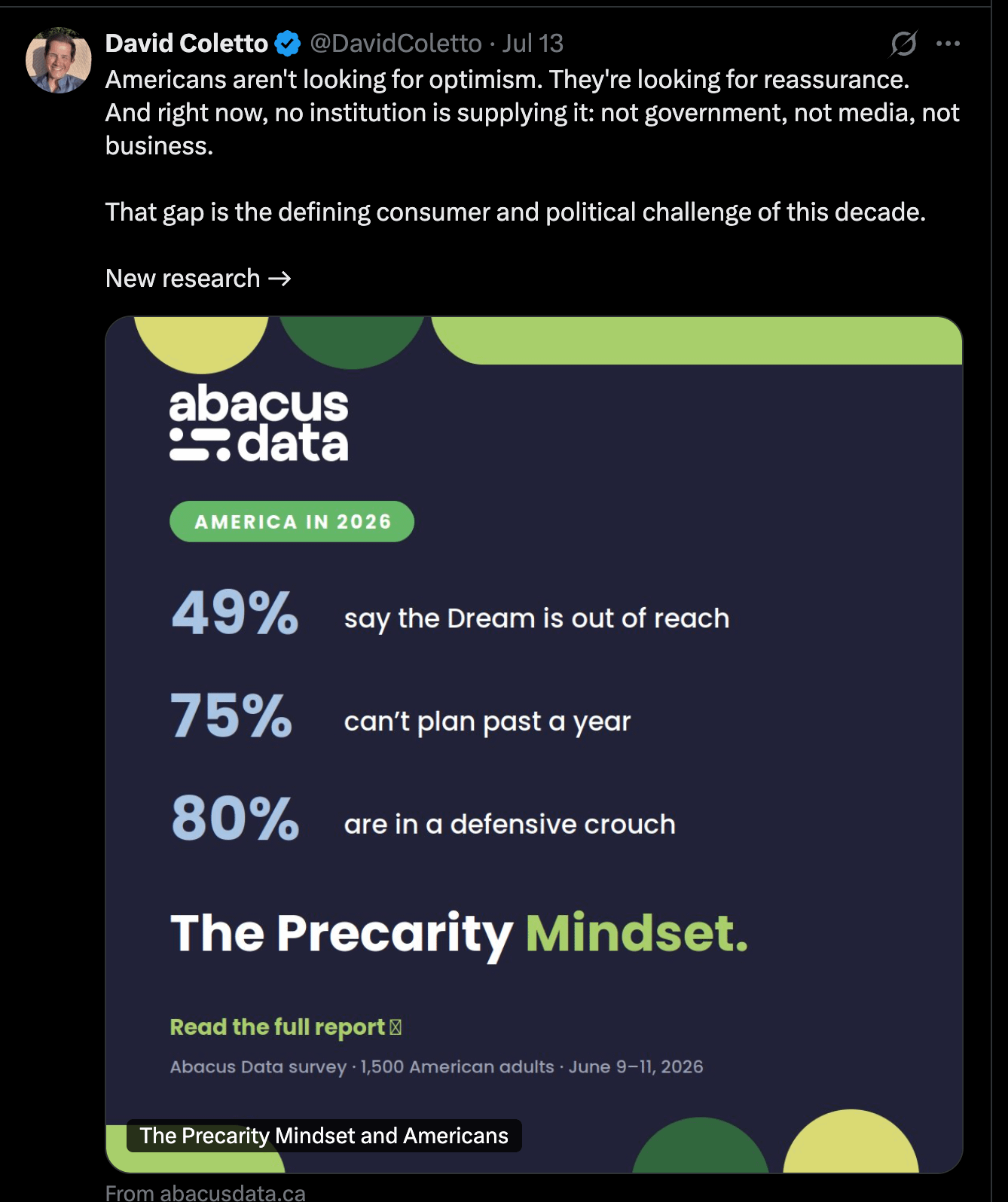
Something in the numbers is lying.
Or, more precisely, the numbers are measuring the wrong things.
We received a flood of cheap goods that do not form a life and a famine of expensive goods that do.
What collapsed in price?
Screens. Fast fashion. Processed calories. Streaming video. Gadgets.
What exploded?
Housing. Childcare. Healthcare. Insurance. Education. The load-bearing pillars of an ordinary human life.
Both movements register in the official statistics as progress. One appears as consumer abundance; the other as asset appreciation and service-sector growth. The spreadsheet smiles.
The family feels the vise closing.
You can buy a fifty-dollar phone that would have stunned a billionaire in 1985. What you cannot buy, at any price a normal wage will bear, is a safe street, a good school down the block, and the reasonable expectation that your child will grow up among people who share your world. Those used to come free with citizenship. Now they are luxury goods.
That is the measurement failure.
GDP counts the daycare payment, the security system, the private tutor, the second car, the therapy app, and the rent on the gated apartment as economic activity. It does not subtract the trust, safety, family time, and neighborhood competence whose disappearance made each purchase necessary.
The ledger records the replacement cost.
It never records the inheritance that was destroyed.
The commons, resold at retail
This is the heart of Kurtz’s argument, and it is a genuinely important idea, so sit with it.
Your grandparents did not have to purchase most of what made their lives stable.
They received it.
A functional public school came with the house. Trusted neighbors came with the street. A church, a union hall, a local newspaper, a civic club, and a public square came with the town. Children roamed because the adults collectively supplied a loose web of supervision no family had to hire. Young people met through schools, congregations, neighborhoods, work, and friends because social life still had institutions.
It was a bounty of prior civilizational investment, delivered at no line-item cost.
That bounty has been substantially liquidated.
So the young must buy it back, item by item, at retail.
The safe neighborhood the commons once provided? You purchase it through the price of the house. The “good school district” is social capital financialized and resold as real estate. The overpriced ZIP code becomes desirable precisely because price is one of the last legal filters against the dysfunction the larger culture refuses to discipline.
The free-range childhood the commons once provided? You buy daycare, after-school programs, private teams, summer camps, tutors, tracking devices, and “intensive parenting.” The commentariat diagnoses this as neurotic overmanagement. Often it is a rational insurance policy against collapsed public trust.
The productive courtship culture the commons once provided? Gone. The replacement is a market in which every person appears to have infinite options, no one trusts the product descriptions, and the most consequential decision of a life is mediated by an algorithm designed to keep the customer swiping rather than help him leave.
The stable career ladder the commons once provided? Replaced by internships, credential inflation, serial layoffs, algorithmic hiring, contract work, and the expectation that a young adult will somehow build a coherent identity from a sequence of temporary logins.
And homeownership—the anchor beneath all of it? The median first-time buyer is now forty, according to the National Association of Realtors, roughly a decade older than in the early eighties. A home is not merely shelter. It is the material base of psychological stability: the thing that converts rent into equity, turns a transient into a neighbor, and gives a family a reason to care what happens at the school board meeting.
A generation locked out of ownership is not only locked out of an asset.
It is locked out of the trust that ownership breeds, the skin in the game.
The young are not merely poorer than the statistics suggest.
They are paying cash for things their grandparents inherited as culture.
Who pays the tax
Let us be clear about what this is.
It is a tax.
Not a tax anyone voted for. Not a tax that appears on a W-2. Not a tax with a constituency or a sunset provision. But a tax all the same, levied on the young to repurchase, at ruinous private prices, the commons their grandparents received for almost nothing.
The Millennial and the Zoomer pay it in the $2 Trillion of student debt that functions as a direct levy on family formation: raising the down-payment threshold, delaying the wedding, narrowing the house, foreclosing the third child before the first is born.
They pay it in rent so high that saving for a home becomes an exercise in watching the finish line move faster than the runner.
They pay it in the two-earner trap, where the second income exists partly to purchase the childcare, transportation, prepared food, cleaning, scheduling, and emotional triage that a one-income household once produced internally. GDP counts every transaction as growth. The family sees less of one another and wonders why prosperity feels like exhaustion.
They pay it through location. The job is in one city, the affordable house in another, the grandparents in a third. The extended family that once supplied childcare, wisdom, discipline, and emergency capacity is scattered across time zones, then replaced by paid services and FaceTime.
They pay it in attention. The social institutions that once organized friendship and belonging have been replaced by feeds engineered to monetize envy, anxiety, lust, outrage, and loneliness. The device is cheap. The damage is expensive.
Above all, they pay it through a pervasive awareness that the ordinary life their grandparents achieved on an ordinary wage now requires an extraordinary one.
Because it does.
This is not whining.
It is arithmetic.
The young are not failing to launch because they are uniquely soft. They are failing to launch because we sold the launchpad for parts and then congratulated them on the discount price of the television in the waiting room.
The rebuild
Here is where I part company with the doomers.
The commons was not destroyed by an asteroid.
It was destroyed by human decisions.
What decisions destroyed, decisions—and habits, families, churches, neighborhoods, and courage—can rebuild.
Not quickly. Not completely. Not from Washington alone.
But rebuild.
Three pillars, and they stand or fall together.
First, restore the conditions of trust. A high-trust society is not a mystical substance floating in the air. It is the downstream product of a people who share enough of a common language, law, moral vocabulary, and national story to predict one another’s behavior. Fifty years of mass immigration at a pace far beyond our willingness to assimilate has strained that inheritance, and pretending otherwise merely hands the argument to the people willing to say it badly.
The answer is not complicated, and it is not cruel. Secure the border. Enforce the laws already on the books. Reduce inflows to a level a society can absorb (currently zero). Then invest unapologetically in assimilation: English, civics, history, duty, gratitude, and the shared American story. A nation is not a hotel. It is a home, and a home requires a household.
But trust is not only an immigration question. It also requires consequences. Arrest the thief. Remove the violent vagrant from the train. Prosecute disorder. Protect the shopkeeper, the child, and the widow before the perpetrator’s preferred narrative. A society teaches people to trust one another by proving that betrayal has a cost.
Second, break the artificial scarcity. The housing crisis is a zoning crisis wearing a trench coat, joined by a permitting racket, a litigation racket, a building-code racket, and an interest-group cartel that congratulates itself on compassion while making normal family life illegal.
Legalize the starter house. Legalize the duplex, the courtyard apartment, the accessory unit, the small home on the small lot. Build near transit. Speed permits. Break the local vetoes that allow incumbents with appreciating homes to pull the ladder up behind them.
Do the same to work. Strip licensing rules and degree screens that turn a bachelor’s diploma into a mandatory, ruinous toll booth in front of every respectable career. Restore apprenticeships. Reward competence. Let a young person begin adult life before he has accumulated fifteen years of credentials and debt.
The commons is expensive partly because we made rebuilding it illegal.
Make it legal again.
Third, make the family the point. Every serious civilization has understood that its future is manufactured in the home. Ours has spent fifty years taxing, delaying, fragmenting, and culturally belittling the institution that manufactures the future at all.
Reverse it.
Make it cheaper to marry, cheaper to have the child, cheaper to buy the first home, and possible for a parent to remain home if that is the family’s choice. Stop calibrating the entire economy to the two-earner household as though it were a law of nature rather than a set of incentives we built.
And rebuild the institutions between the family and the state. Churches. Athletic leagues. Civic associations. Volunteer services. Block organizations. Men’s groups. Women’s groups. Places where people repeatedly encounter one another in duties they did not design around personal preference.
Social capital is not restored by a federal Department of Social Capital.
It is restored by people showing up.
The stakes
Understand what is actually at risk, because it is more than a generation’s grievance.
A society that cannot offer its young the ordinary goods of a settled life—a home, a spouse, a child, a school, a street, a church, a future it can picture—will not hold.
It will not reproduce itself, literally or culturally.
It will fragment into a low-trust archipelago of gated enclaves and abandoned commons. The wealthy will purchase private versions of public order. The middle class will work itself to death trying to imitate them. The poor will remain trapped inside the ruins. Every family will repurchase in private what all of us once shared, and resent the others a little more with every transaction.
That is one future.
The other begins with an admission.
The commons was worth having.
We inherited it.
We spent it.
Now we rebuild it—not because nostalgia is a policy, and not because the old world was perfect, but because a civilization that cannot transmit the conditions of an ordinary good life has failed at its most basic duty.
The young were told they were rich.
They counted the televisions and knew they were being lied to.
It turns out wealth is not the number of screens in the house.
It is whether the child can play outside.
Whether the neighbor can be trusted.
Whether the school teaches.
Whether the father can provide.
Whether the mother can choose.
Whether the young can marry.
Whether the family can put down roots.
Whether the future feels like an inheritance rather than an invoice.
Cheap abundance is not prosperity when everything worth having has been moved behind a paywall.
The inheritance was squandered on our watch.
Restoring it is the work of ours.
Onward.
Best of Twitter



Memetic Warfare

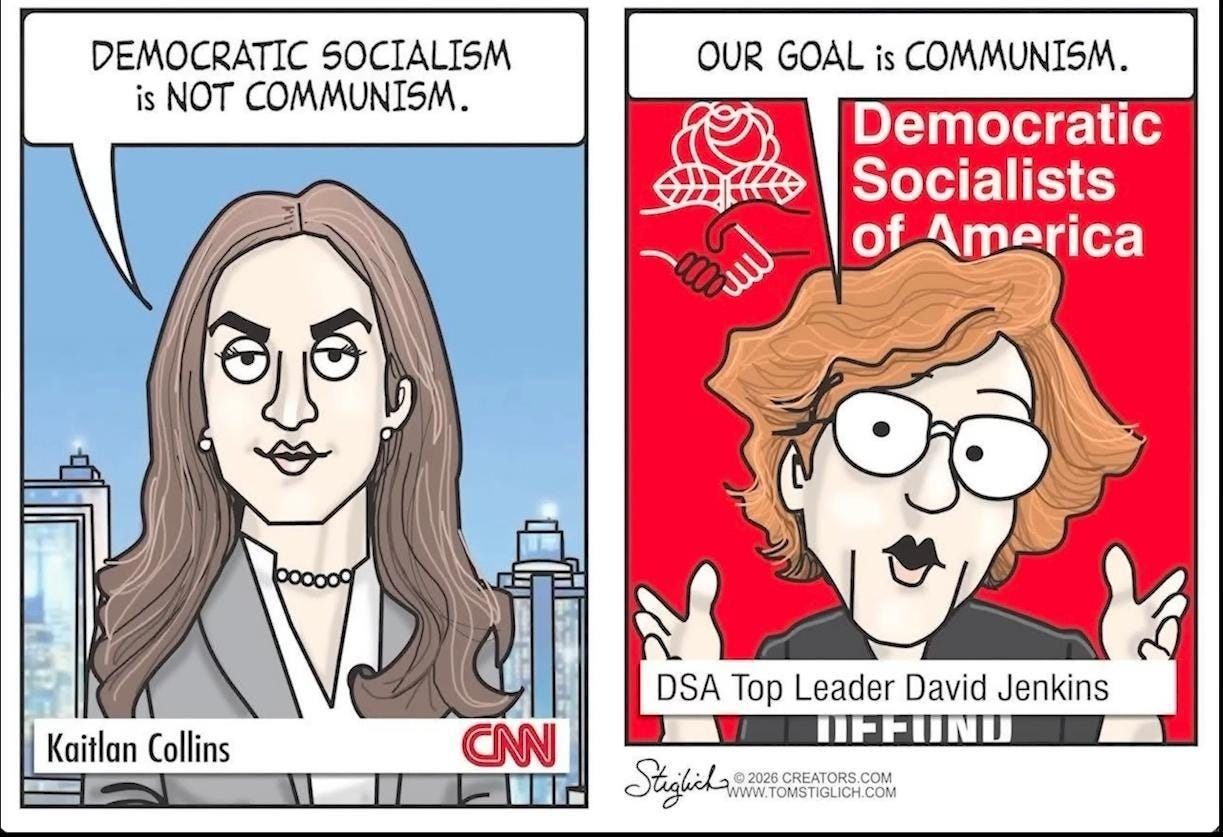




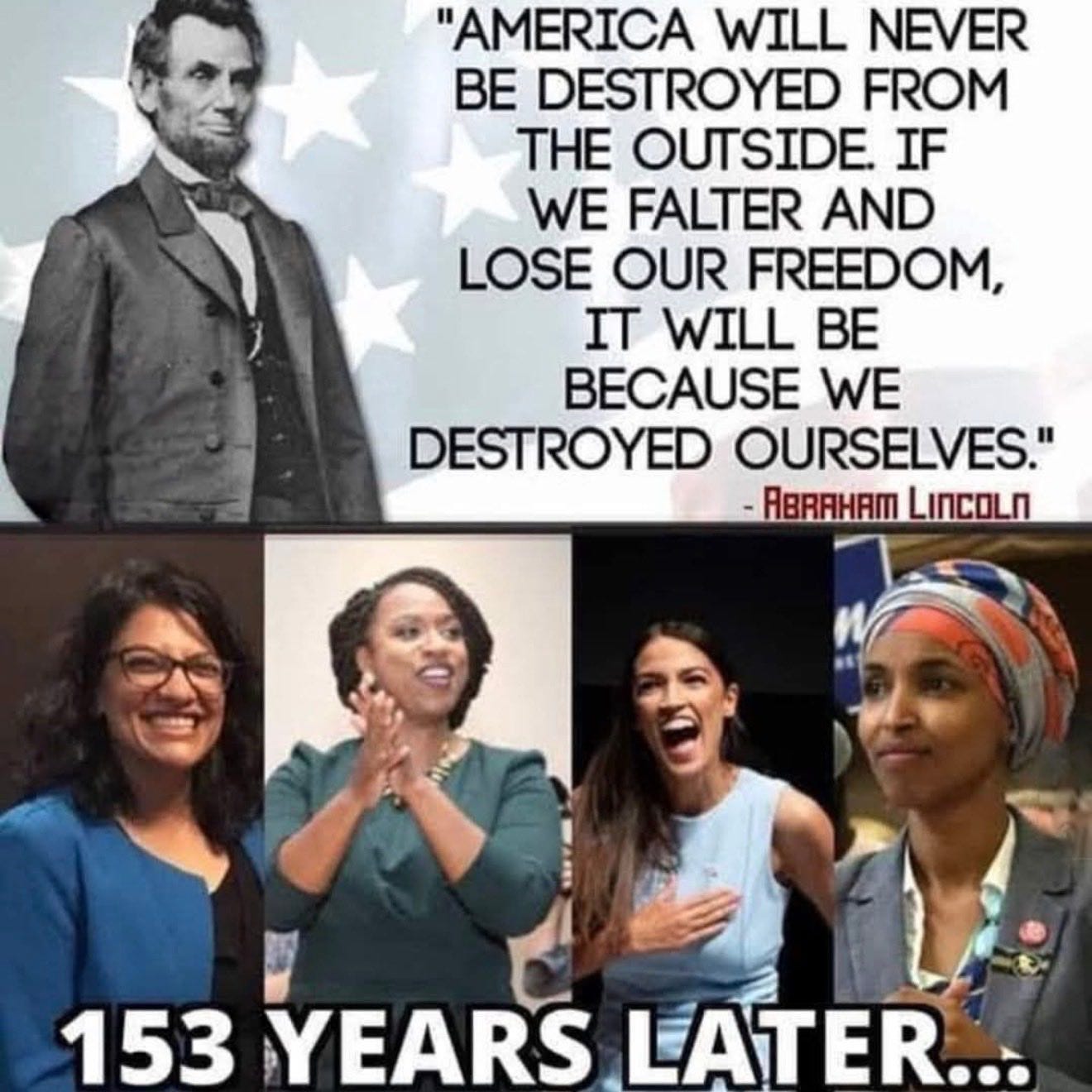
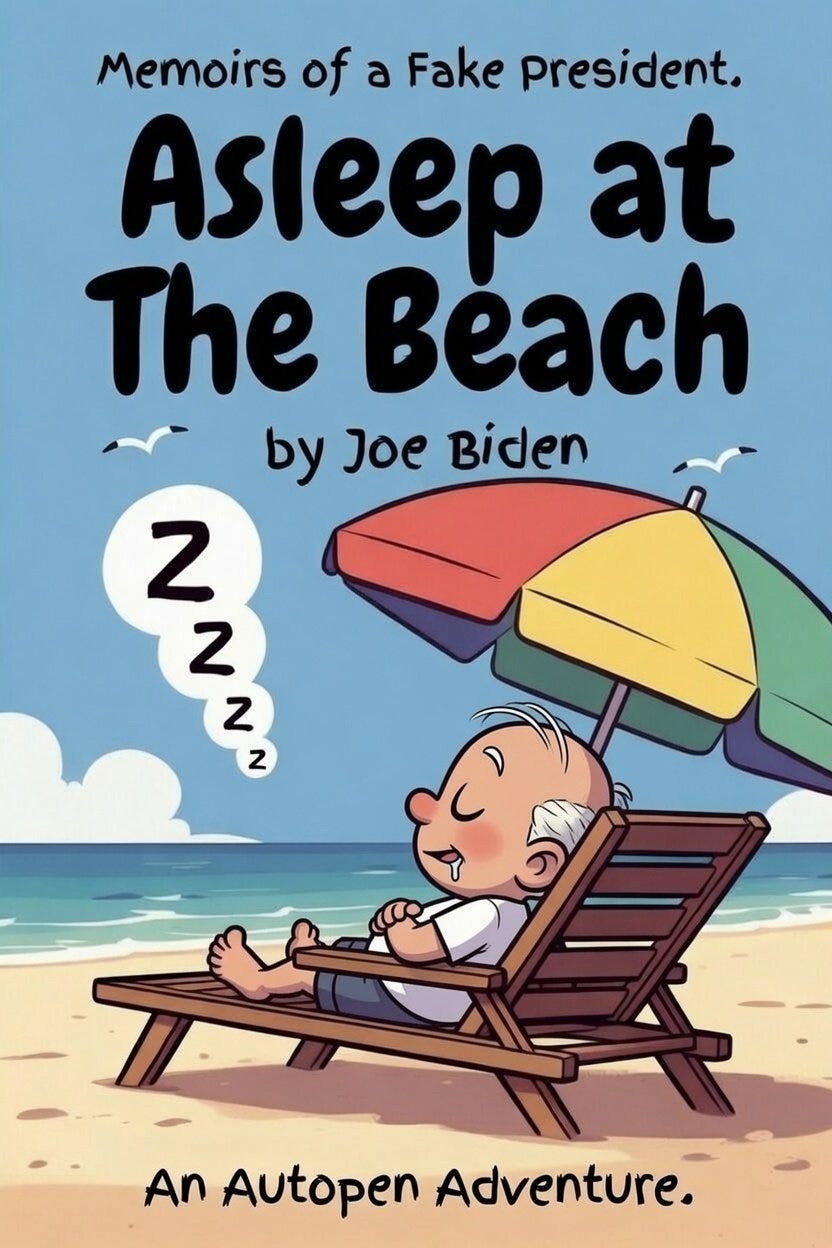
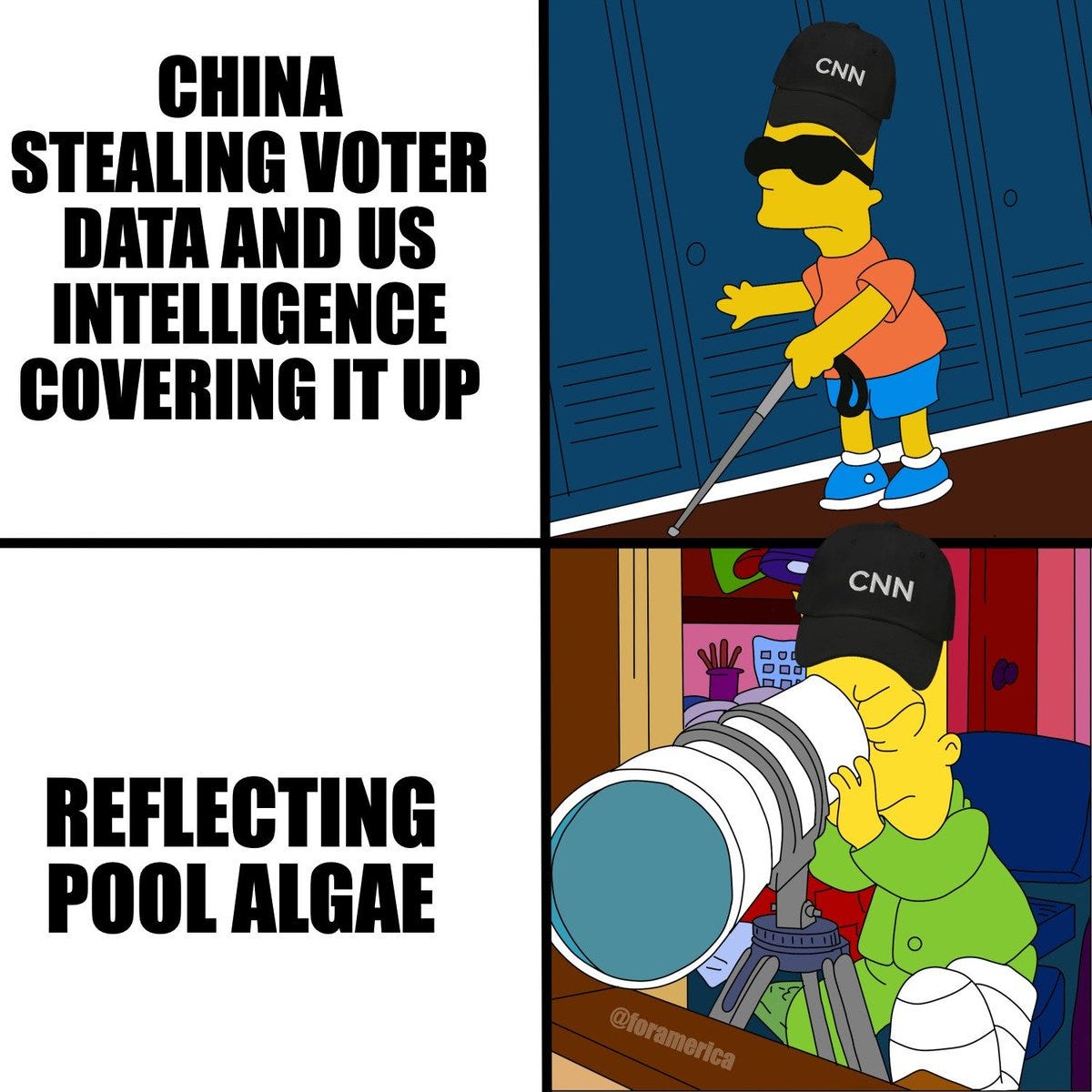


Parting Words….
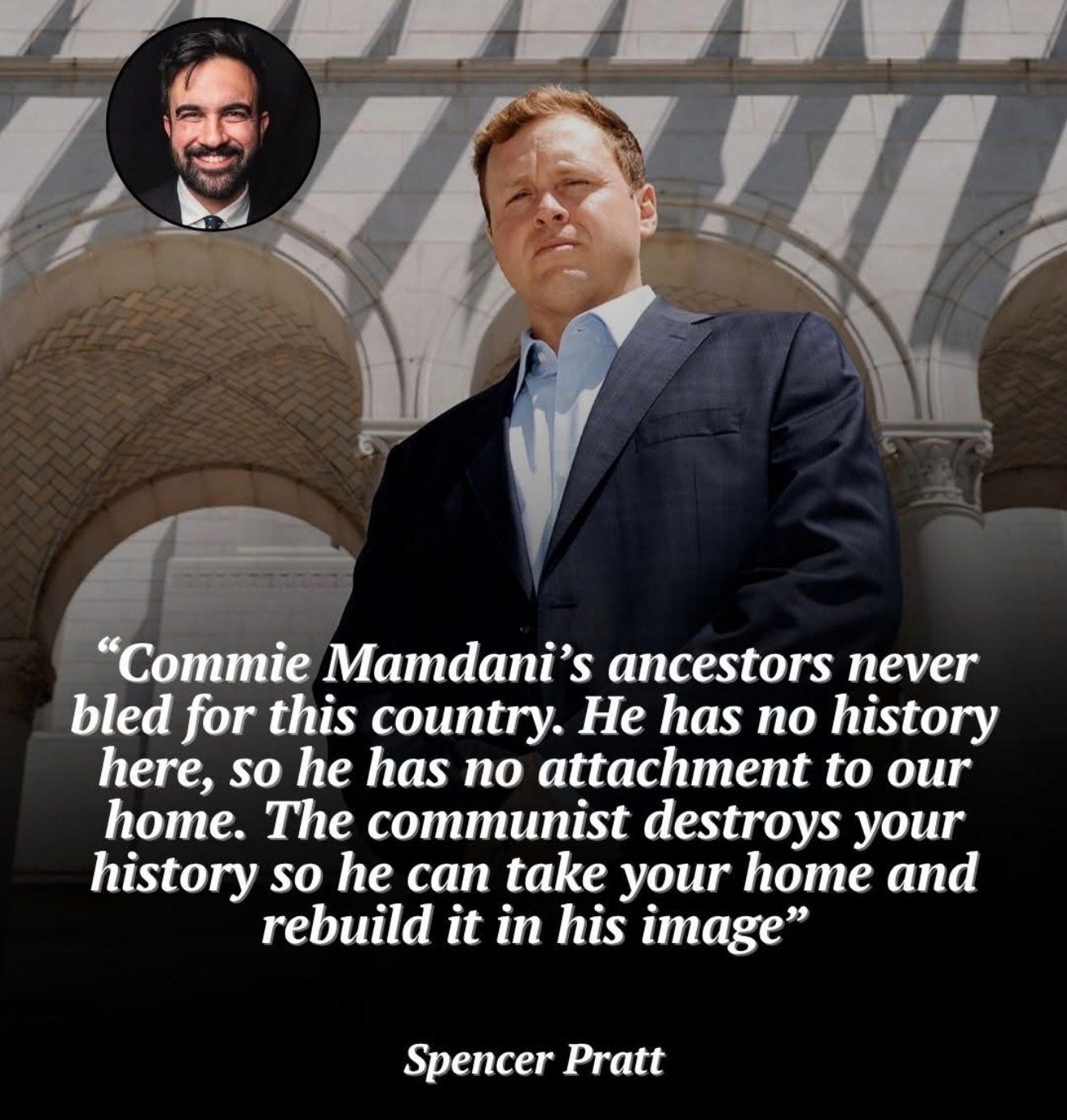


That’s it for this week folks. Hope you enjoyed!
Each week, Sovereign Sunday delivers battle-tested truths, bold analysis, and civilization-defending commentary you won’t find in legacy media echo chambers. No algorithms. No gatekeepers. Just raw signal in a world drowning in noise.
If this newsletter sharpens your mind, steels your spirit, or gives you ammo for the cultural battlefield—do your part:
Smash the like/heart button! (it helps us beat the bots).
Forward to friends, family, fellow patriots—anyone who’s tired of lies wrapped in politeness.
Leave me a comment
Become a Paid Subscriber and fuel the mission. This isn’t a hobby—it’s a war for the narrative. And we’re building an army of the awake.
This is reader-supported, freedom-fueled journalism. Your support makes it possible.
—Michael Kimelman
Founder, Sovereign Sunday
So much to digest here. But will stick with Rubio/Vance. Vance is playing to the 45 second or however short attention span of the tik Tok world and social media in general. It's likely hundreds of thousands heard him on Rogan. It's unlikely that even a few thousand knew about, let alone heard, Rubio's speech. Sadly most elections will likely be decided on sound bytes on social media as opposed to substantive speeches. Thanks for another terrific Sunday read
Regarding your excellent section on Inheritance. Long before the current description of the problem was this one: https://en.wikipedia.org/wiki/Bowling_Alone