
If You Can Keep It
Reflections on 250

Two hundred and fifty years ago next Saturday, a few dozen merchants and lawyers and planters signed their names to what was, by any honest reckoning, a suicide note. Men with a great deal to lose and a mathematically poor chance of winning. They signed anyway.
The story we hang on Benjamin Franklin, probably apocryphal but too good to retire, is that a woman stopped him outside the convention and asked what they had given the country. A republic, he said, if you can keep it.
Everything lives in that little conditional. Not a republic, full stop. A republic if. The keeping was never promised. It was assigned. To them, then to their children, then down the long relay to us.
So here is the only exercise worth doing on the eve of our 250th anniversary. Set aside the Ferris wheel they have parked on the National Mall and the passports now printed with the President’s face. Ask the question Franklin actually left us with: are we keeping it?
This week, in three different theaters, the country handed back three pieces of an answer. Two of them should encourage you. The third should keep you up at night.
The Court Remembers What Words Mean
Start in Washington, where the Supreme Court spent the final week of its term doing the unfashionable work of holding statutes to their plain meaning.
In Mullin v. Doe, by a vote of 6 to 3, the majority ruled that Temporary Protected Status is, in fact, temporary, and that the decision to end it belongs to the executive rather than the federal bench. Justice Alito wrote it. The practical weight is real: protections for hundreds of thousands of Haitians and several thousand Syrians can now be wound down.
The dissenters did not go quietly. Justice Sotomayor read hers aloud from the bench, the rare move a justice makes when she wants the room to feel the cost, warning that people who fled earthquakes and gang rule may be sent back toward both. Alito answered her in open court, which simply is not done. Decorum cracked. Keep that receipt, because a serious argument owns its hardest counterpoint instead of hiding it.
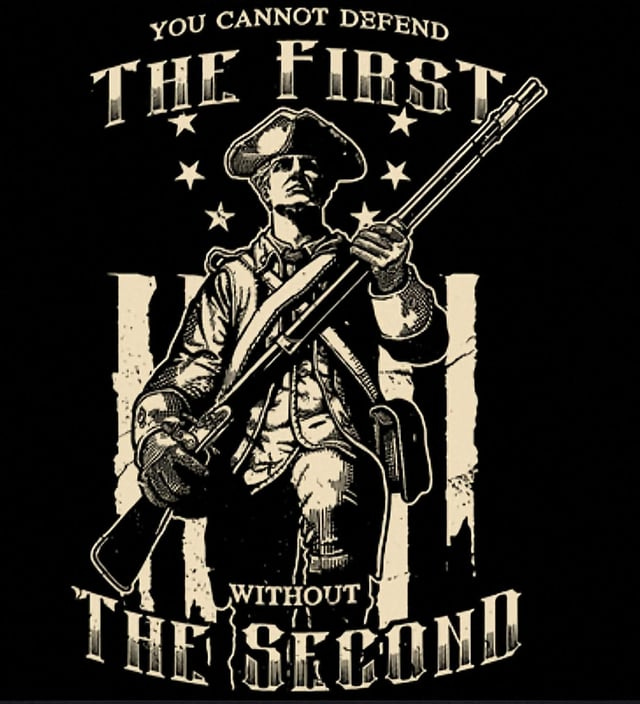
The same week, in Wolford v. Lopez, the Court held 6 to 3 that a state cannot make a citizen with a concealed-carry permit beg a gas-station owner’s permission before the Second Amendment travels with him onto property the public is invited onto.
In a separate ruling the majority affirmed that the government may stop asylum seekers from setting foot on American soil in the first place. Stack these on April’s evisceration of what remained of the Voting Rights Act in Louisiana v. Callais, and a pattern resolves.
This Court has now handed down more 6-to-3 decisions split cleanly along ideological lines than it did in the entire previous term, and it is not finished: birthright citizenship, mail-in ballot deadlines, and the President’s power to fire his own appointees are all still sitting on the docket as of this writing.
Read the pattern as restoration or as wrecking ball. Your politics will choose for you. But notice the through-line both sides keep missing. The Court is insisting that words mean what they say. Temporary means temporary. Shall not be infringed means something. A border means there is an inside and an outside. That insistence is not cruelty and it is not mercy. It is the precondition for both. A republic that cannot say what its own laws mean is not keeping anything.
The Map Remembers Who Draws It
Now move east, to the State Department, where on Friday Secretary Rubio stood between the Israeli and Lebanese ambassadors and watched them sign a trilateral framework agreement that, if it holds, redraws the northern Levant.
Read the terms slowly, because the terms are the point. A structured process to disarm Hezbollah and dismantle its infrastructure. The Lebanese Army taking control of the south. A performance-based Israeli withdrawal tied to that disarmament rather than to a calendar. Mutual recognition of sovereignty. A standing Military Coordination Group. American money flowing not to a militia but to the Lebanese state and its army. Rubio called it the beginning of the beginning, which is the honest description.
Here is why it is bigger than a ceasefire, and you have to understand what Lebanon has been to understand it.
For the better part of fifty years, Lebanon has not really been a country. It has been a forward operating base. Hezbollah was the state within the state, the largest non-state arsenal on earth, and that arsenal was never really aimed at Lebanon’s enemies. It was Tehran’s insurance policy: tens of thousands of rockets pointed at Israel precisely so that no one would dare strike Iran’s nuclear program without paying in Israeli cities. Lebanon was the trigger Iran held to someone else’s head.
Now read the framework again. Government to government. Iran not in the room. Hezbollah not in the room. The Israeli ambassador put it in six words at the signing: “Iran is out. Hezbollah is out.” Netanyahu, in a video the same afternoon, told Tehran it has “no role in Lebanon.” That is not a pause in the fighting. That is an attempt to repossess a country from the militia that has held its deed since the 1980s, and to do it by building up the one institution, a real national army, that can hold a monopoly on force.
If it works, Iran loses its single most valuable card. The land bridge to the Mediterranean frays. The insurance policy on the nuclear program lapses. The post-war board does not just freeze; it gets redrawn with Iran shut out of the negotiation over its own most prized proxy.
Now the armor, because this letter does not sell you a finished peace. It is a framework, not a treaty. Israel still occupies a slice of the south and was conducting strikes the very day of the signing. Hezbollah rejects the whole thing: one of its lawmakers warned that forcing it through could mean civil war, and its secretary-general has ruled out any normalization with Israel. Disarming Hezbollah nationwide, as opposed to merely south of the Litani, is the hard part, and it may never happen.
So call it what it is. Not checkmate. But the board moved, it moved hard, and it moved with the regime in Tehran standing outside the door. At 250, a republic that can still rearrange a region without firing the opening shot is a republic that still has reach. That is the second piece of the answer, and it is a good one.
The Hive Remembers What It’s For
And then there is the third theater, the one back home, the one that should worry you precisely because it is going exactly to plan. Somebody’s plan. Just not the plan of the Founders or the people who thought they were in charge.
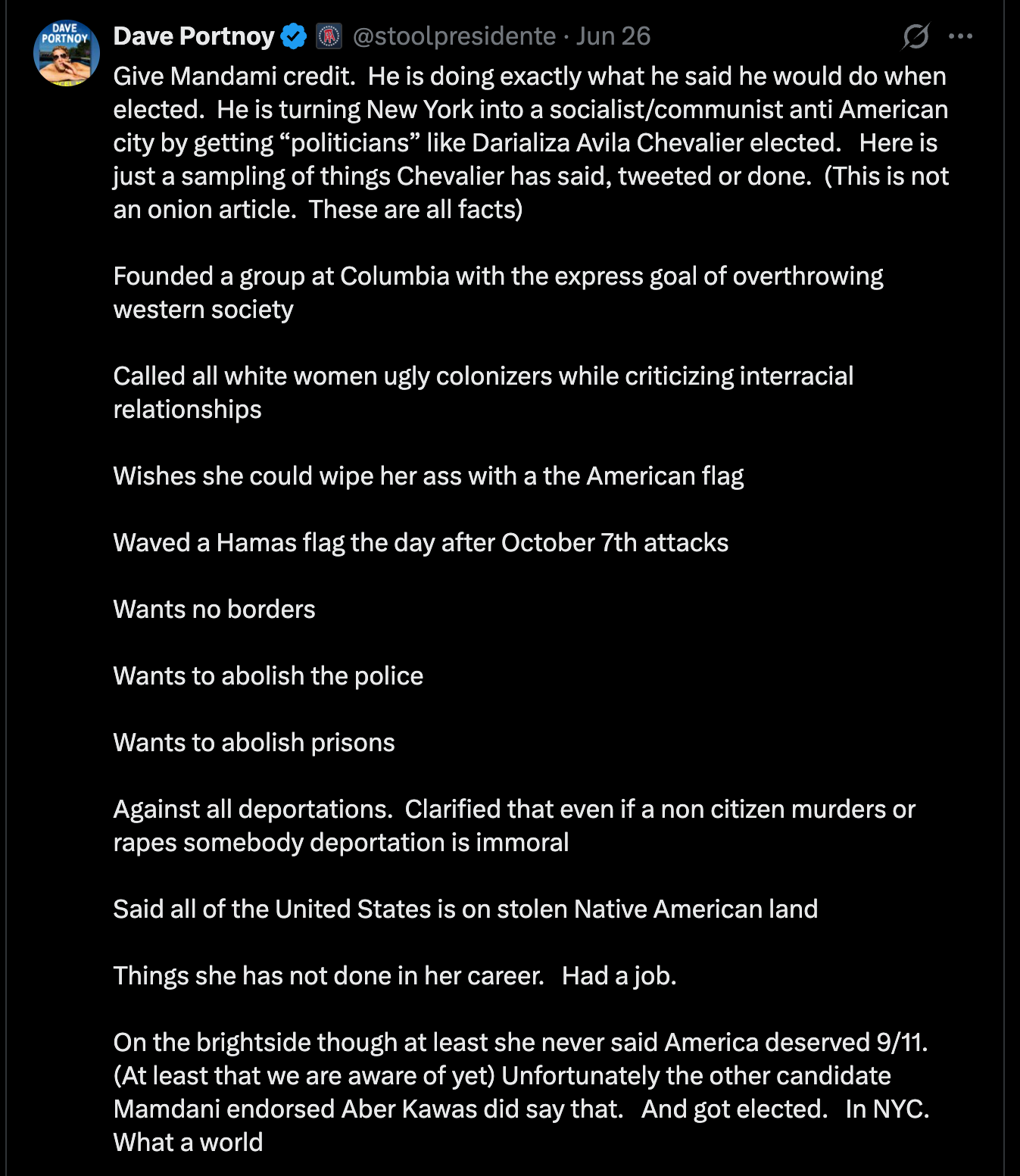
On Tuesday, New York held its primaries. Mayor Zohran Mamdani, sworn in only in January, went three for three on the congressional candidates he endorsed. By the city Board of Elections’ unofficial count, the slate backed by the New York City chapter of the Democratic Socialists of America won eleven of the twelve races it contested.
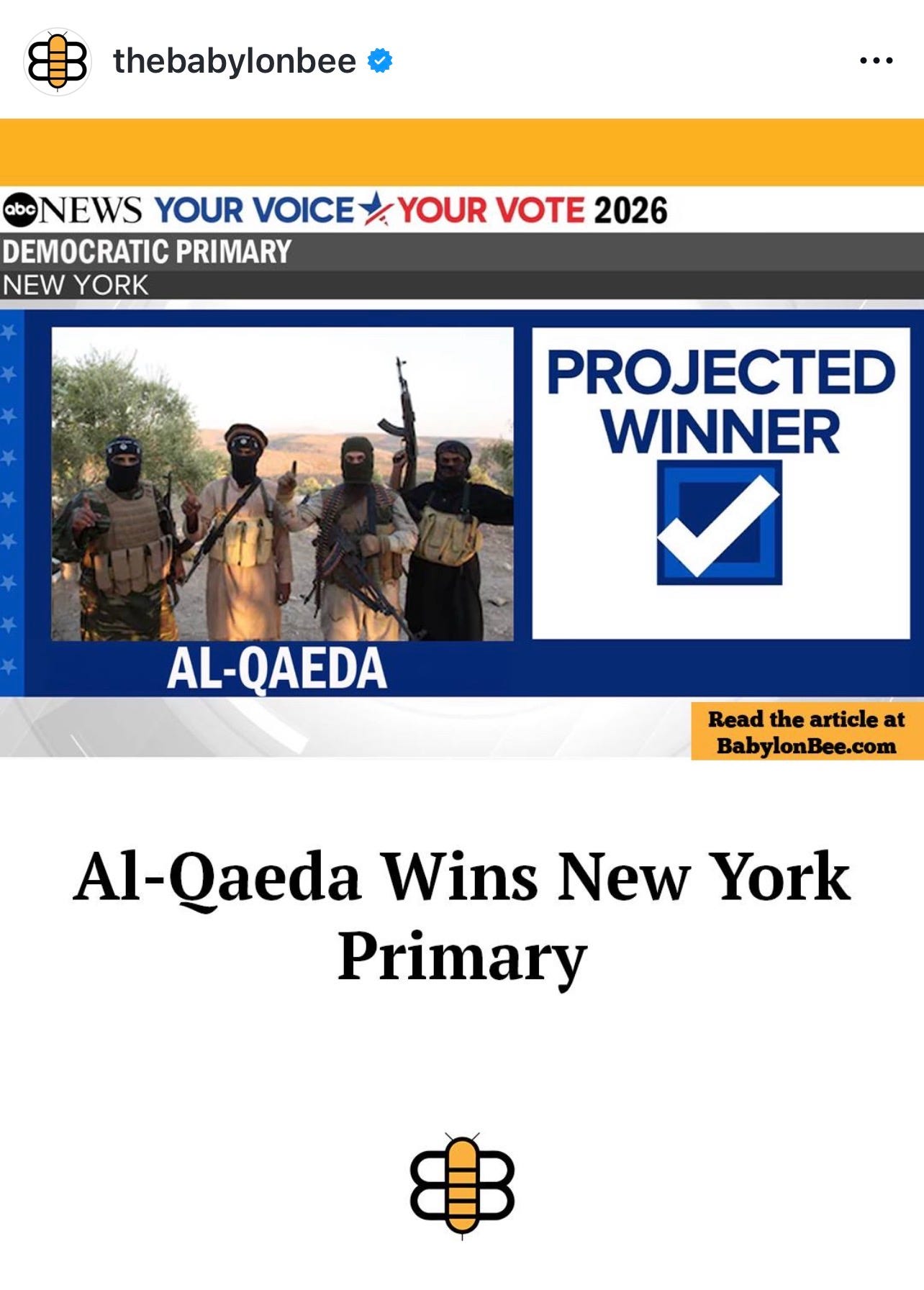
The marquee kill was Adriano Espaillat: five-term incumbent, chairman of the Congressional Hispanic Caucus, endorsed by Minority Leader Hakeem Jeffries himself. Beaten in his own primary by Darializa Avila Chevalier, a 32-year-old DSA member who a year ago was a staffer on the Mamdani campaign.
You should know who is about to enter Congress from a safe blue seat. CNN’s KFile combed thousands of posts from a Twitter account Avila Chevalier later deleted, and the Internet Archive kept the receipts. In her own words, across those years:
A world without police, prisons, and borders was “the only moral way forward.”
Defunding was too timid. She clarified that she wanted “no more police at all ever.”
“All deportation is wrong,” even, as she argued in a debate with Espaillat this month, for migrants who commit violent crimes.
“Seize the means of production,” she wrote in 2019, alongside calls to take every property from landlords and nationalize whole industries.
She called the United States “a fucking disgrace,” and wrote that for lack of napkins she had “wiped my hand on the American flag” behind her. Even leftist propoaganda outlet Snopes ran that one down and confirmed it was real.
Asked to react to a prompt about Israel disappearing, she amplified the reply that “Israel doesn’t exist.”
She called Joe Biden, her own party’s sitting president at the time, a “rapist” and a “war criminal.”
Her defense, offered to CNN, is that the posts “did not reflect who she is today” and that Espaillat was relitigating ancient history. It is a serviceable defense, and it would land far better if she had taken any of it back. She has not. Pressed by the New York Editorial Board this month, she would not say that murderers belong in prison. Pressed on a Spanish-language radio program the morning of the primary, she pulled off her headphones and walked out of the studio. The past she is accused of living in keeps showing up to work.
She is the most vivid of the three, not the only one. Brad Lander, the former city comptroller, unseated two-term Dan Goldman in a contest that was, at bottom, a referendum on Israel. Claire Valdez took an open Brooklyn-and-Queens seat and said the quiet part into a live microphone: this movement, she promised, will “run the table.”
And it is not only New York. In Maine that same night, Graham Platner won the Democratic Senate nomination in a landslide, near seventy percent, knocking the establishment’s own recruit, two-term Governor Janet Mills, clean out of the contest and handing Chuck Schumer a personal humiliation. Call Platner what the contrast makes him: a communist in the streets and, if the women who shared his bed are to be believed, a Nazi in the sheets. The streets half is from his own pen, a 2021 post in which he announced he had “became a communist.” The sheets half is the SS death’s-head he wore inked on his chest, a Totenkopf, the emblem of Hitler’s most fanatical units. Platner says he grabbed a random skull off a Croatian tattoo wall while drunk in 2007 and had no idea what it was until reporters found it last fall, at which point he quietly covered it over. Two former girlfriends tell a different story. One, on the record, says he called it “my Totenkopf” and knew exactly what it meant; another told the New York Post he defended keeping it as a private reminder that America was “the evil, bad guy overseas.” CNN, for its part, cannot get him to explain how his ex was texting friends that he had a “Nazi tattoo” months before he claims he learned the truth himself. He now runs even with five-term Senator Susan Collins for a seat that could decide control of the chamber.
Here is the history that should be making Chuck Schumer sweat through his suit.
In 1966, Mao Zedong, sidelined inside his own party after the catastrophe of the Great Leap Forward, reached past the establishment and summoned the radical energy of the young. He pointed the students at the cadres, the teachers, the bureaucrats, anyone he wanted purged, and christened them the Red Guards. For a season it worked beautifully. The students denounced their professors, smashed the old order (often skulls, literally), and chanted the correct slogans. Then the movement outran the man who lit it. The factions turned on each other and on everything, the violence became its own engine, and within two years Mao had to send in the army to put his own creation down and ship millions of those students off to the countryside to cool off.
The establishment Democrat is now relearning the same lesson by the same method. You do not rent a revolution by the hour. The party bosses spent two decades cultivating the activist class as turnout, as moral cover, as the renewable energy of “our democracy.” They told a generation that America was guilty, that the institutions were rotten, that every system had to be decolonized and rebuilt. They assumed, the way every doomed establishment assumes, that the radicals would stay a junior partner. As one widely shared post put it this week, the bosses thought they were renting radicals by the hour.
They were not renting anyone. The activist class never wanted a seat at the table. It wanted the table. The hive was never confused about what it was for. The only people confused were the beekeepers.
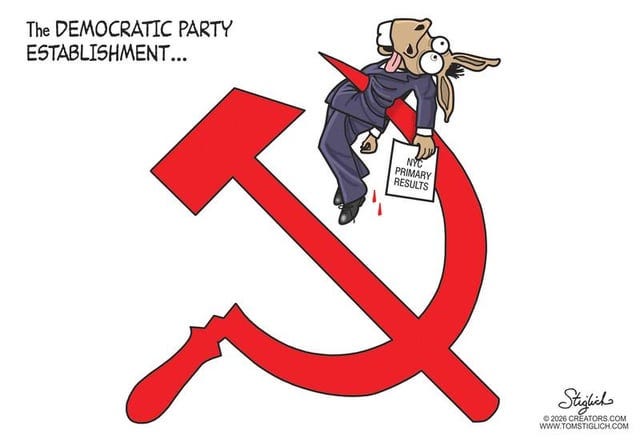
The honest caveat: turnout ran well below last year’s mayoral surge, and the organized left is unusually good at winning the low-turnout primaries the rest of the party sleeps through. True. It is also cold comfort to Espaillat, and no comfort at all to every Democratic incumbent who now understands that crossing the movement summons a challenger of his own. The fear is the whole mechanism. The fear is how you take a party without firing a shot.
The old Democratic Party did not lose an argument this week. It lost the keys. And the keys, once handed to the arsonists, do not return on their own.
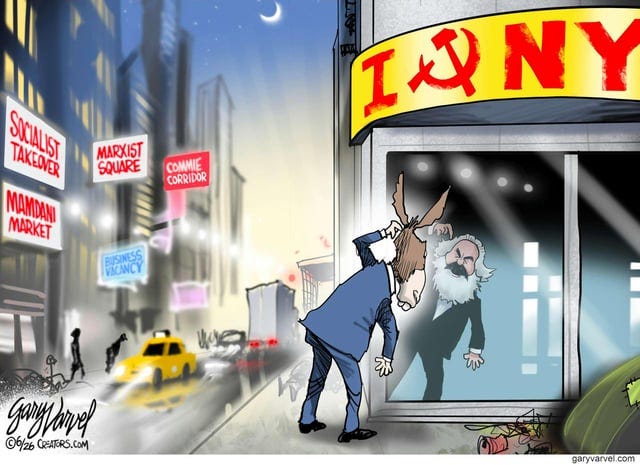
The fight passes to other hands: it will fall to a rising generation of conservatives to stand against these forces of nihilism and ignorance and beat them, the way the Greatest Generation once had to wade ashore at Normandy and grind hedgerow by bloody hedgerow across Europe to break a tyranny that also believed it was the future. They did not choose their war. This generation will not get to choose its own either.
The Keeping
So. Are we keeping it?
The verdict from one ordinary week in the 250th year is split, and you should resist anyone who tells you otherwise. The rule of law bound itself to the meaning of its own words, even where the words cut. American power redrew a hostile corner of the map and did it with the worst regime in the region locked outside the room. And one of the two parties that have to take turns governing this republic spent the week handing its inheritance to people who were raised to believe the inheritance was a crime.
But understand what “split” already concedes. Ask me this same question two years ago and I would not have called it split. I would have told you we were losing it, and losing it on purpose.
Because that is what those years felt like, a deliberate undoing. A southern border not merely overwhelmed but erased as a matter of policy, as tens of millions in the largest illegal crossing wave in the nation’s recorded history waved into the interior with a court date and a shrug. Classrooms and clinics rearranging a child’s body and a child’s name behind the parents’ backs, as though the mother and father were the threat. Prices climbing so fast that a week of honest work bought less each Friday than it had the Friday before, the worst such bleed in forty years. Citizens told that a paycheck now hinged on baring an arm for an experimental injection, a novel shot rushed through on an emergency footing and pressed on the unwilling under pain of ruin; their church doors padlocked, their children locked out of the schoolhouse, their small businesses, the labor of entire lifetimes, shuttered by the hundreds of thousands and never to reopen. And presiding over all of it, a Constitution handled less like a covenant than like scratch paper, invoked when it was convenient and folded away when it was not.
Two years ago I would have told you the relay was about to drop the baton for good.
And yet here we are, in the 250th year, and the baton is still moving. Not because the republic is ever safe; it was not built to be safe. Because keeping it turned out to be exactly what Franklin said it was. Not a promise. A labor. And the labor got done, by people who refused to sign for the decline as though it were permanent, which is the only proof that has ever existed that it can be done again.
The dare, then, was never flattery. It was a warning, and it runs in two directions now, outward and inward, and the inward one is the harder. It is one thing to face down a regime in Tehran. It is another to keep a free people from voting, slowly and legally and with great enthusiasm, for the proposition that they were never worth keeping free.
Two hundred and fifty candles is not a trophy. It is a receipt for work already finished, and an invoice for work that is now ours.
Light the fireworks. Sing the songs. Then dust off your swords, Bibles and courage, and go keep the thing.
Onward.
What I’m Watching…
Not yet, but it’s on the list.
Best of Twitter
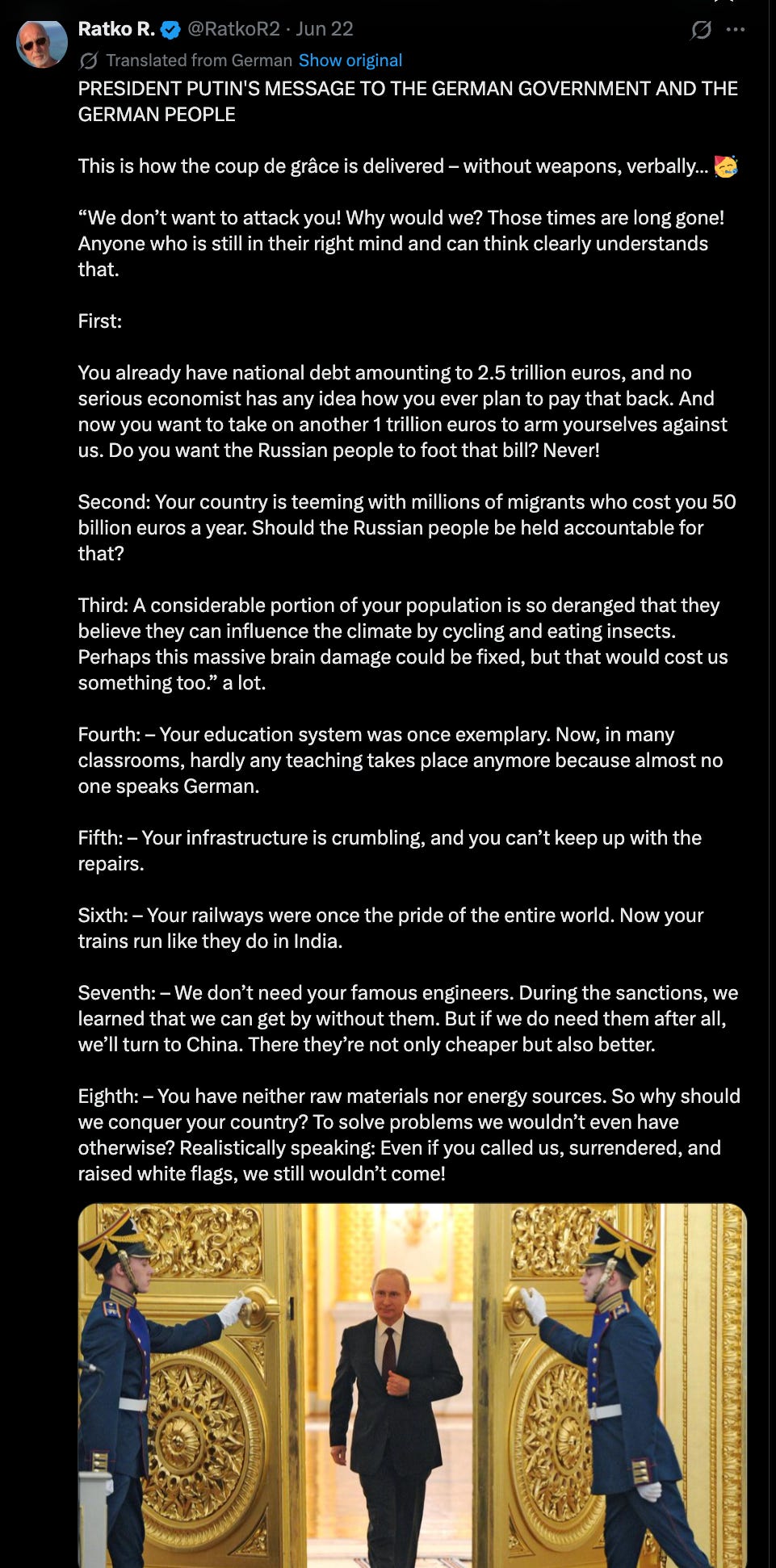



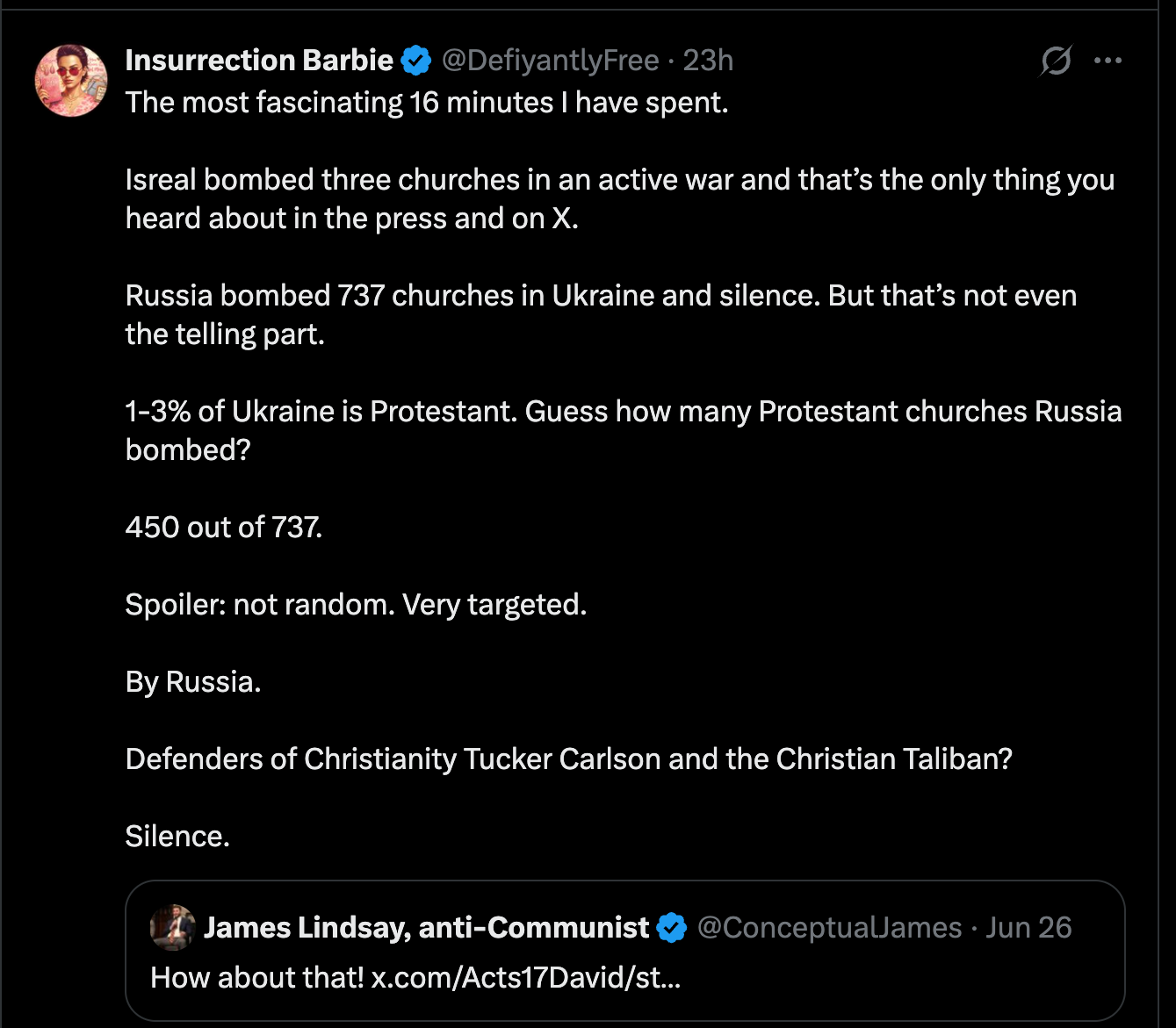


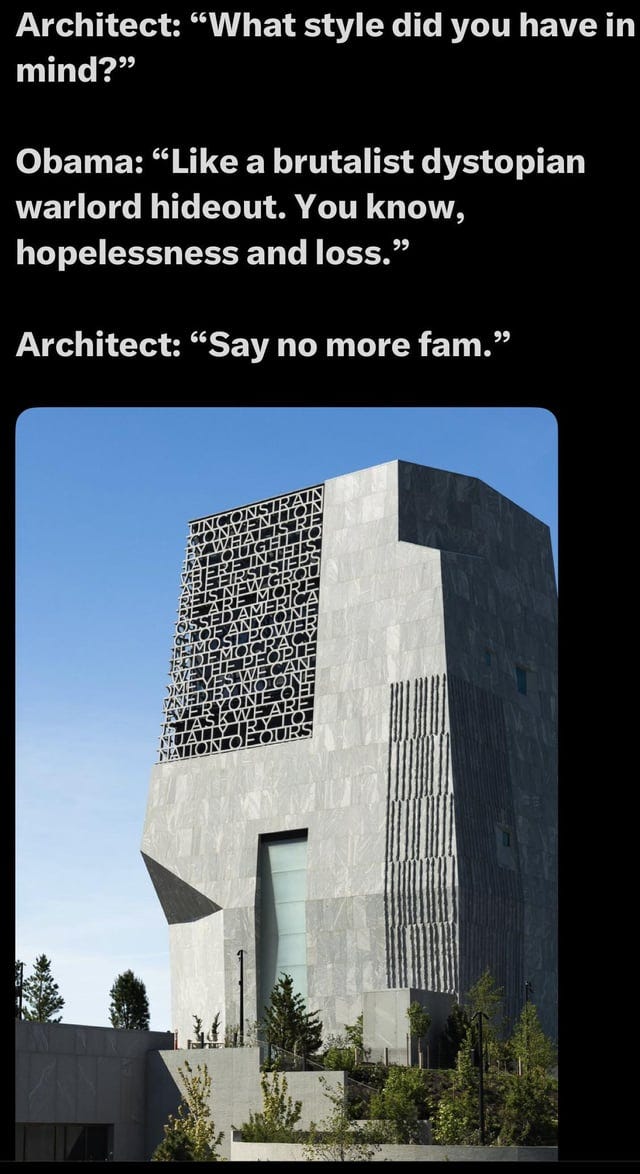
Memetic Warfare









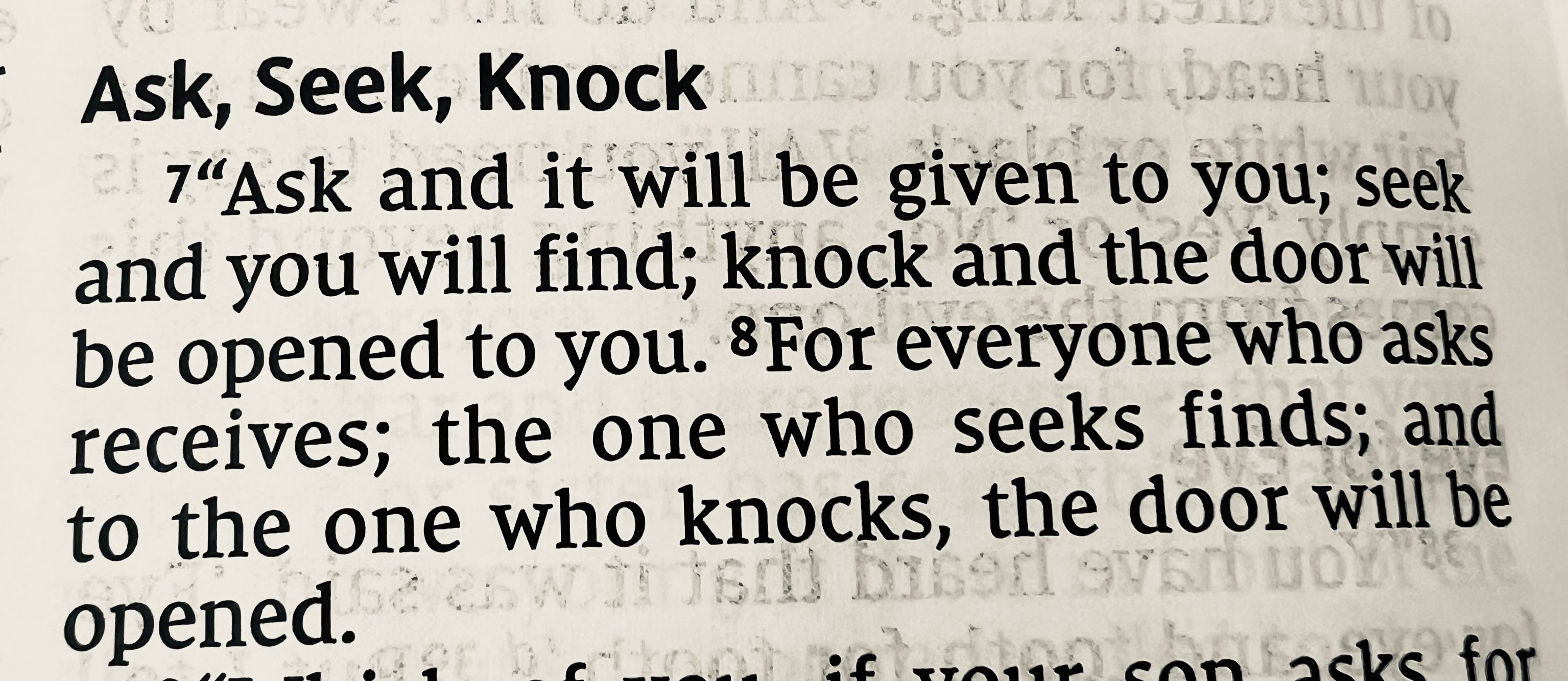
Parting Words…..


That’s it for this week folks. Hope you enjoyed!
Each week, Sovereign Sunday delivers battle-tested truths, bold analysis, and civilization-defending commentary you won’t find in legacy media echo chambers. No algorithms. No gatekeepers. Just raw signal in a world drowning in noise.
If this newsletter sharpens your mind, steels your spirit, or gives you ammo for the cultural battlefield—do your part:
Smash the like/heart button! (it helps us beat the bots).
Forward to friends, family, fellow patriots—anyone who’s tired of lies wrapped in politeness.
Leave me a comment
Become a Paid Subscriber and fuel the mission. This isn’t a hobby—it’s a war for the narrative. And we’re building an army of the awake.
This is reader-supported, freedom-fueled journalism. Your support makes it possible.
—Michael Kimelman
Founder, Sovereign Sunday
Once again, Mike...Onward!
Beautifully written.